South America Cruise – Part 5

After leaving Puerto Madryn Argentina, we had nearly two full days at sea before docking in Montevideo Uruguay. This would be our last several days of the cruise portion of our trip, where we will end and disembark in Buenos Aires.

One of the sea days on the way to Montevideo was pretty rough, with gale force winds that even peaked to hurricane force. The ride was a bit rough, but the ship’s stabilizing systems helped make it tolerable. The winds were so strong that all outside deck areas were closed.

Impressive Seas off Argentina

Montevideo Uruguay

We arrived in Montevideo on the morning of Feb 8, 2020. The dock is right in the old town section making it convenient for walking to town. We had a winery tour scheduled for the afternoon, so our morning was free which gave us a chance to walk around and explore.

For me this was a bit nostalgic since I spent quite a bit of time in Montevideo and Uruguay back in the 1980’s. At that time I was working for Raytheon and was the lead Project Engineer for a vessel traffic monitoring radar system we installed for the Uruguay Navy. I had spent many months in country and made many trips there back in the day.

Where we docked was adjacent to the main Navy headquarters building with its large glass dome cupola that still has a harbor surveillance radar spinning on top (not the one we installed years ago). I recall working on the very top of that cupola with its amazing view of the harbor and city.


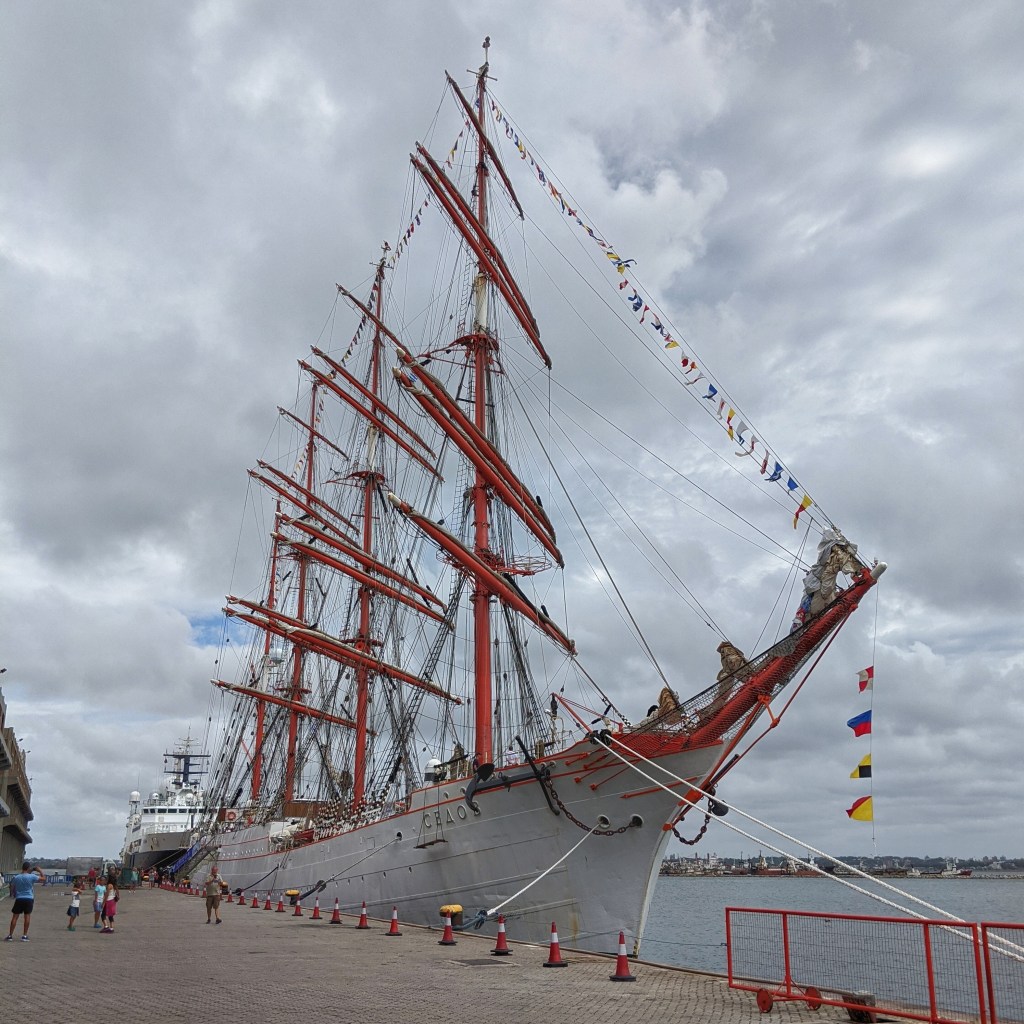
Alongside the dock near our ship was a beautiful tall ship that was visiting Montevideo. The Russian tall ship Sedov is a 4-masted barque operated by Murmansk University and is a training ship.


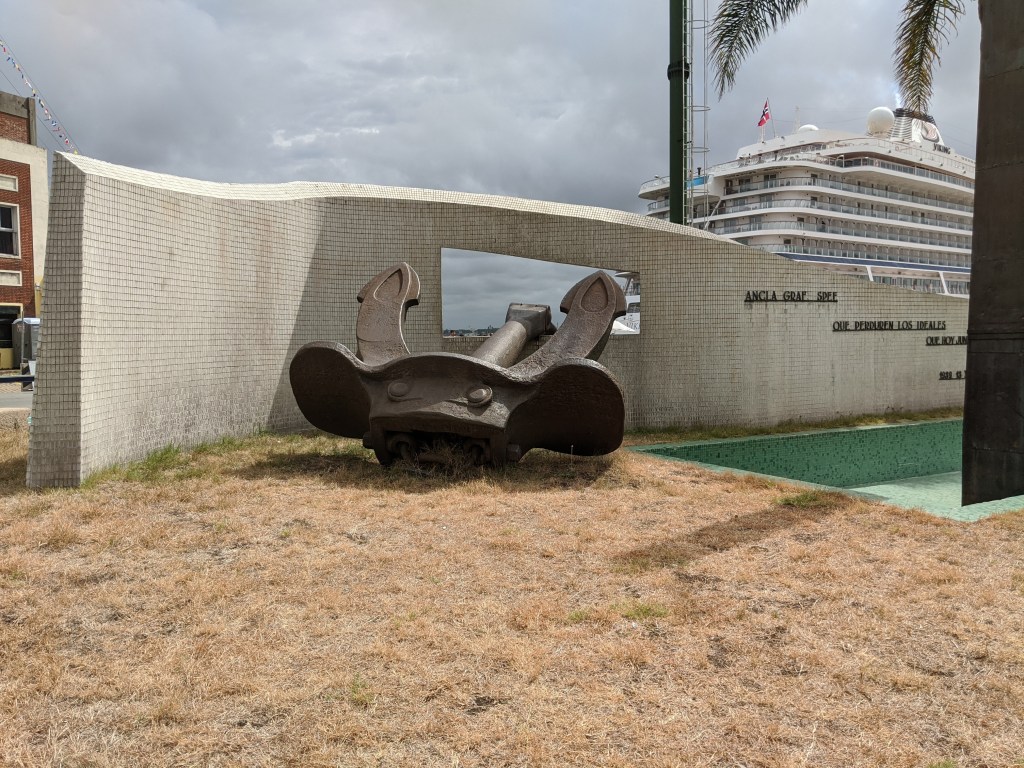
As you leave the gated port facilities there is a monument with one of the anchors and a range-finder from the German pocket Battleship Graf Spee, which was scuttled off Montevideo in 1939. This was one of the first naval battles of World War 2 when Royal Navy warships damaged the Graf Spee in what would be called the Battle of the River Plate. The German Captain sought refuge in neutral Uruguay to do repairs and transfer his wounded for medical care. Under neutrality rules, the Graf Spee could only stay in Uruguay’s neutral waters for 72 hours. The Captain decided to scuttle the ship rather than steam out into the British ambush. Thousands lined the shores of Montevideo to watch the battleship blow up. Many artifacts were recovered over the years and many displayed at the Uruguay Naval museum.

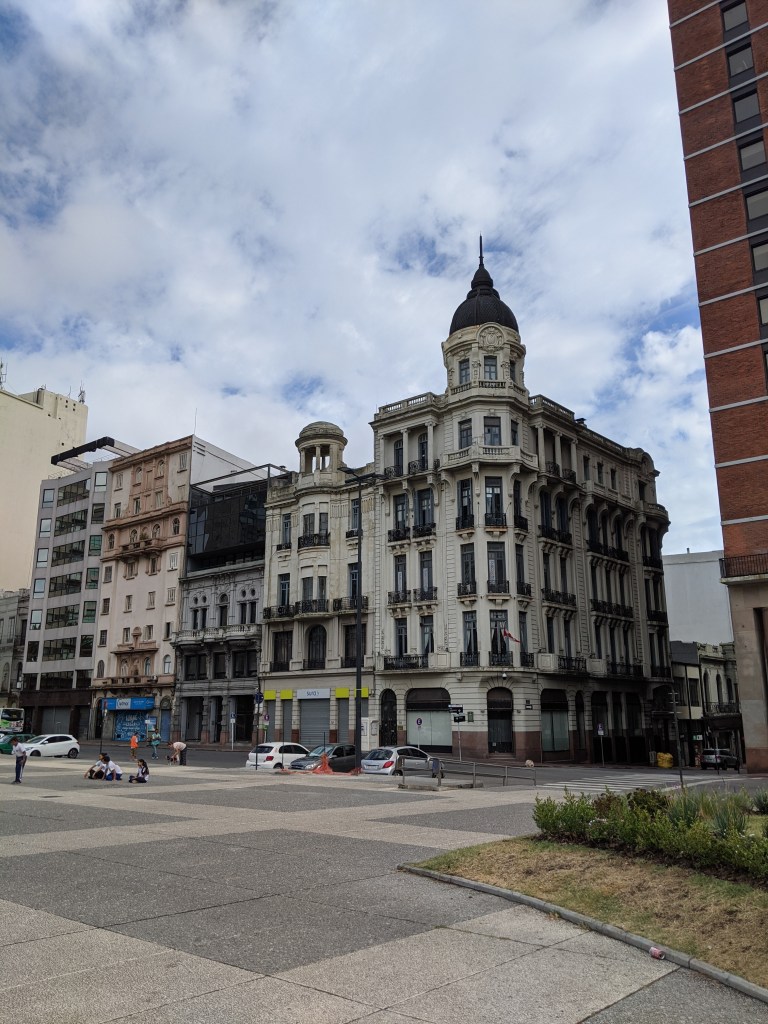
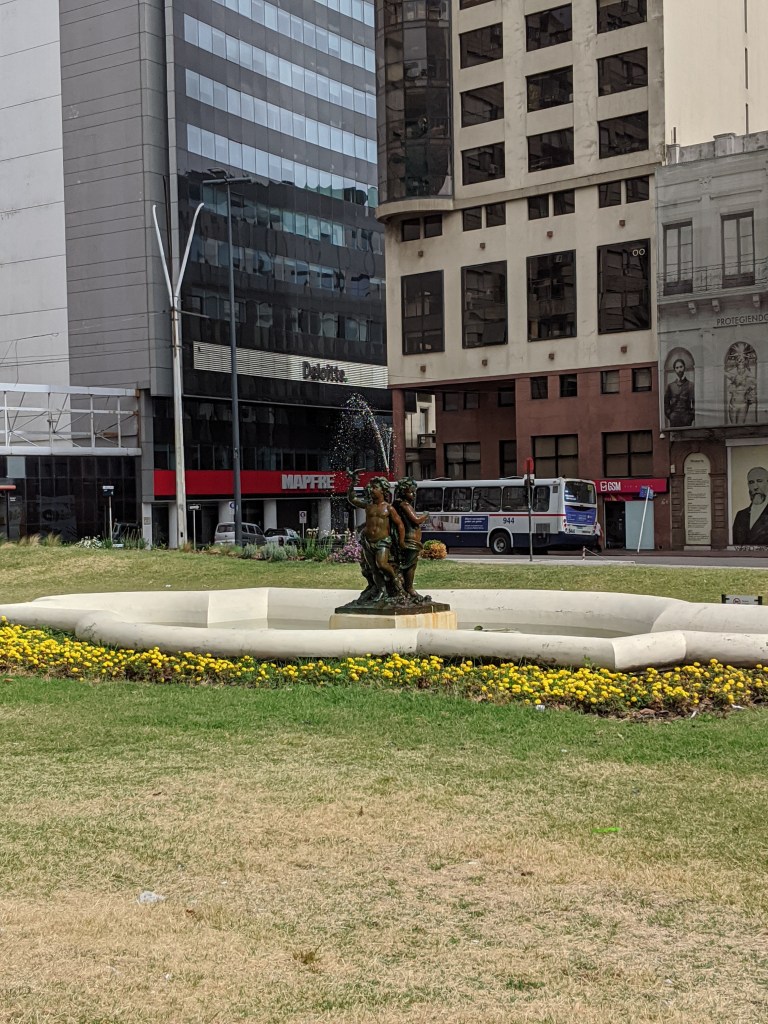
The old town section of Montevideo (Ciudad Vieja) is a maze of narrow streets and old buildings. There are several pedestrian streets with plenty of souvenir shops and restaurants and it takes about 20 minutes to walk up to the main plaza, Plaza Independencia. Along the way are several smaller plazas, the main Cathedral and plenty of people drinking Mate.


Not far from the port entrance is the famous Mercado del Puerto (Port Market), with many Parrilla grills serving up steaks, sausages and other meat delights.

We spent about 2-hours wandering around before returning to the ship for our afternoon winery tour.

Juanico Vineyards & Winery

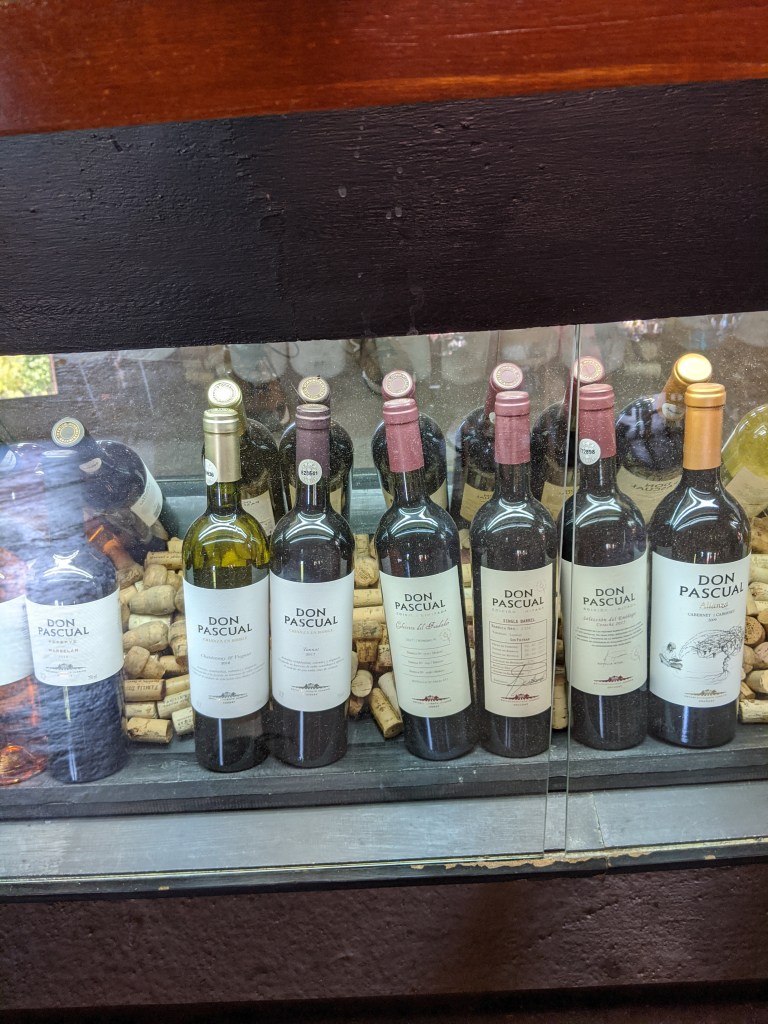
Our afternoon tour to the Juanico Winery was about a 40 minute coach ride outside Montevideo. We were with a group of about 30 other guests from our ship and a local tour guide (don’t remember his name). Our guide was great, he was very funny, but informative. Told us all about the current situation in Uruguay, the history and talked a lot about the local wines.

We learned that Uruguay is the most progressive country in South America with free education for all, a good healthcare system, very stable and safe society. Oh, and the only country in South America to legalize medicinal and recreational marijuana.

When we arrived at the vineyard a young woman from the vineyard took over the tour and we stopped first out in the vineyard to walk among the vines. Since it’s late summer in the Southern Hemisphere, harvest time is very soon, so the grapes were full and almost ready to pick. The predominant grape variety here is the Tannat grape. This is a very deep blue grape and the Tannat wines we would taste later were amazing.

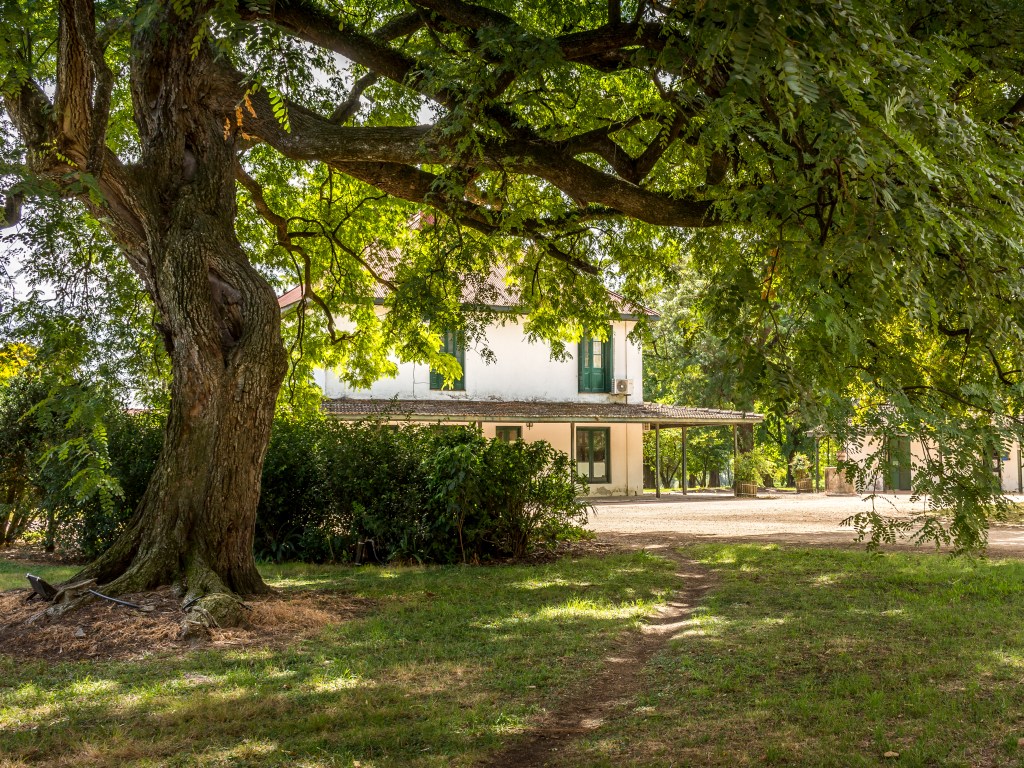
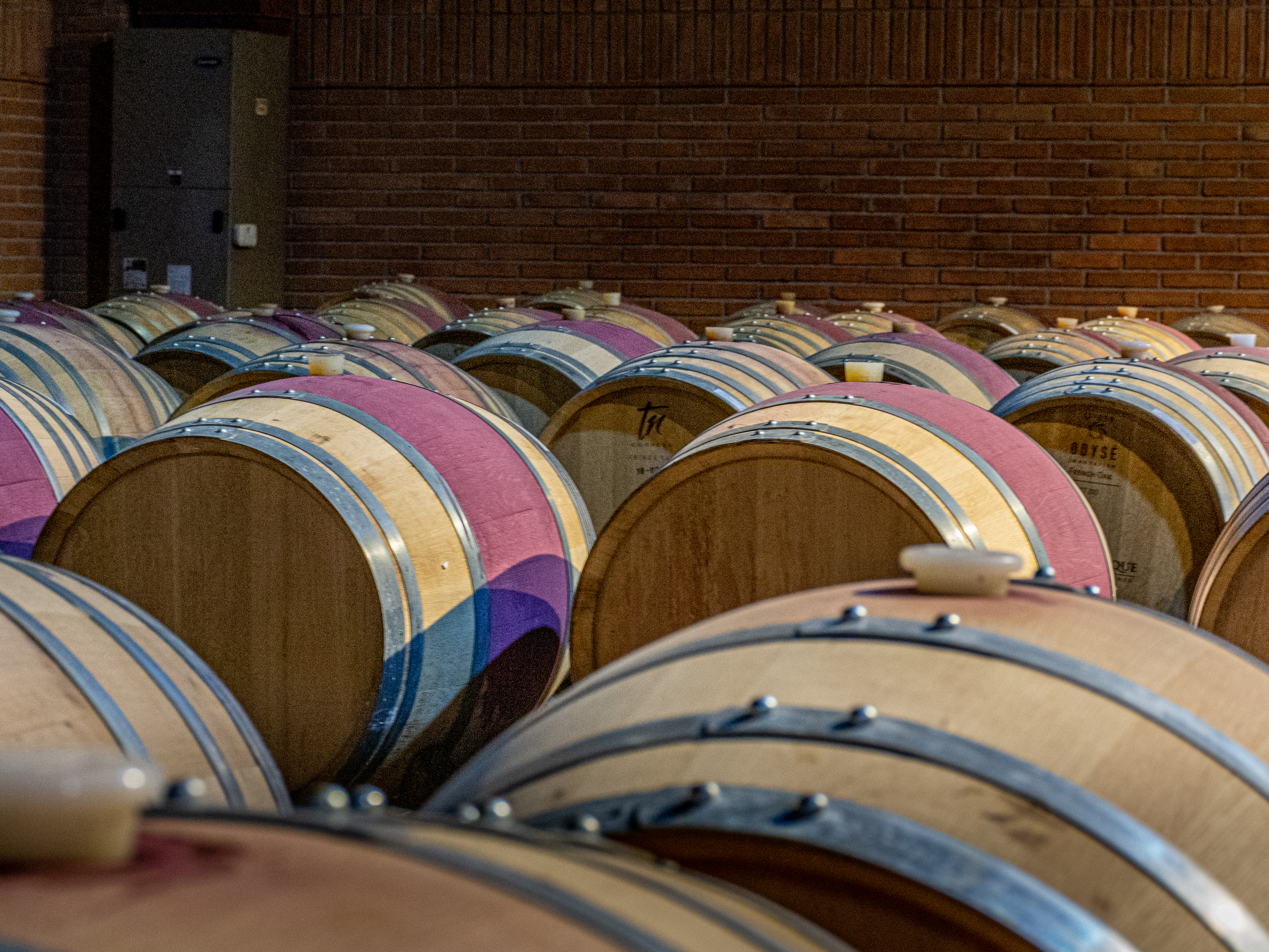
After walking around the vineyard we were brought to the winery and cellars for a tour and then tasting. The grounds of this winery were very picturesque and the wines we tasted were top notch. We are now Tannat lovers! We still have our Mendoza Argentina cruise extension coming up in several days, so the Malbec is waiting!


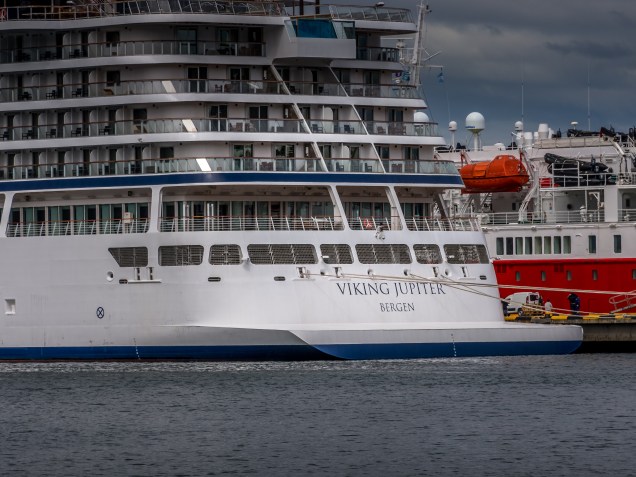
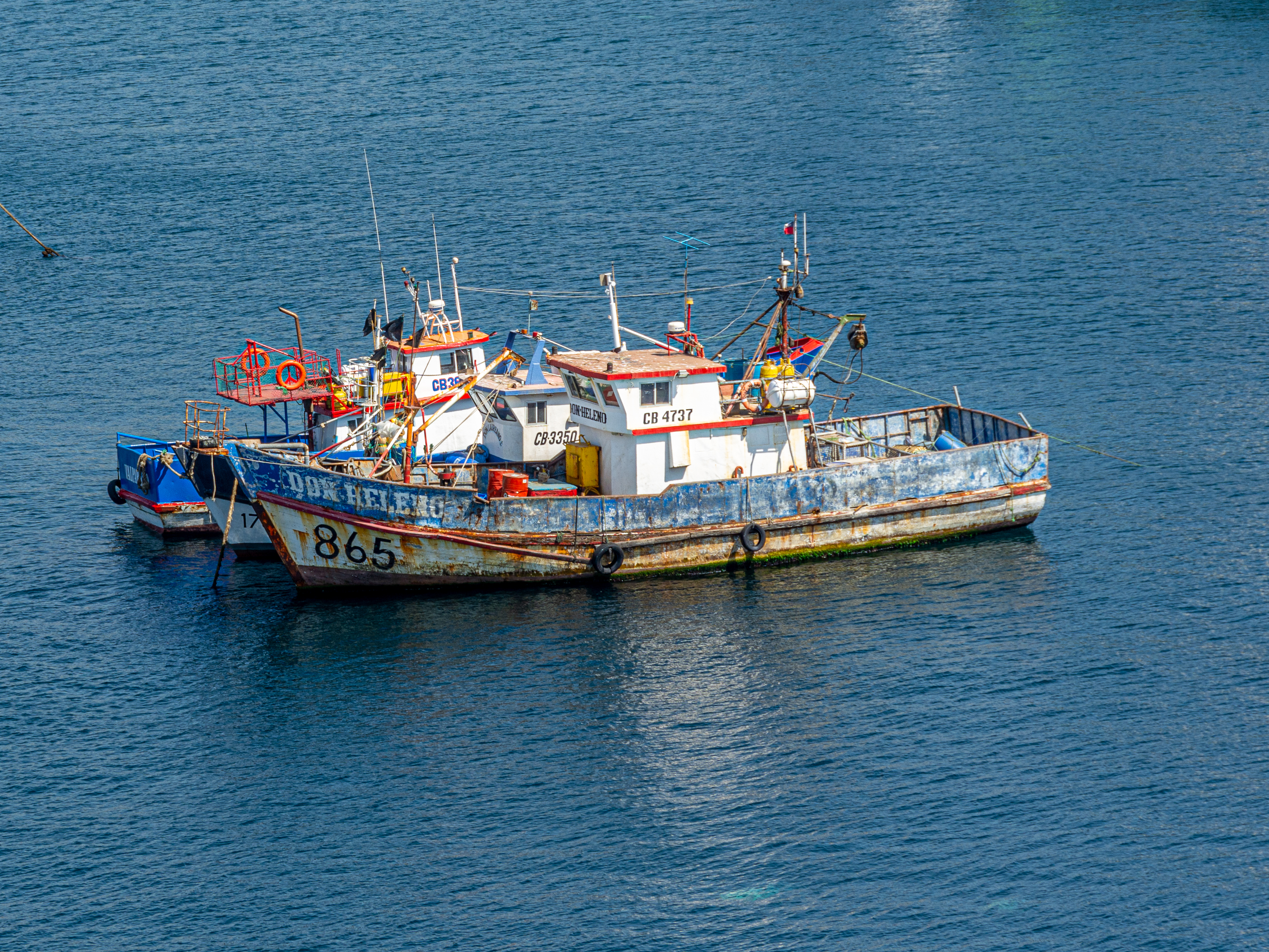
We left Montevideo early evening for the overnight trip across the Rio de la Plata to Buenos Aires where we would spend our last two days on Viking Jupiter. As we left Montevideo Harbor we passed many derelict boats, not sure what the story is there.

We will return to Montevideo in several days.


Buenos Aires

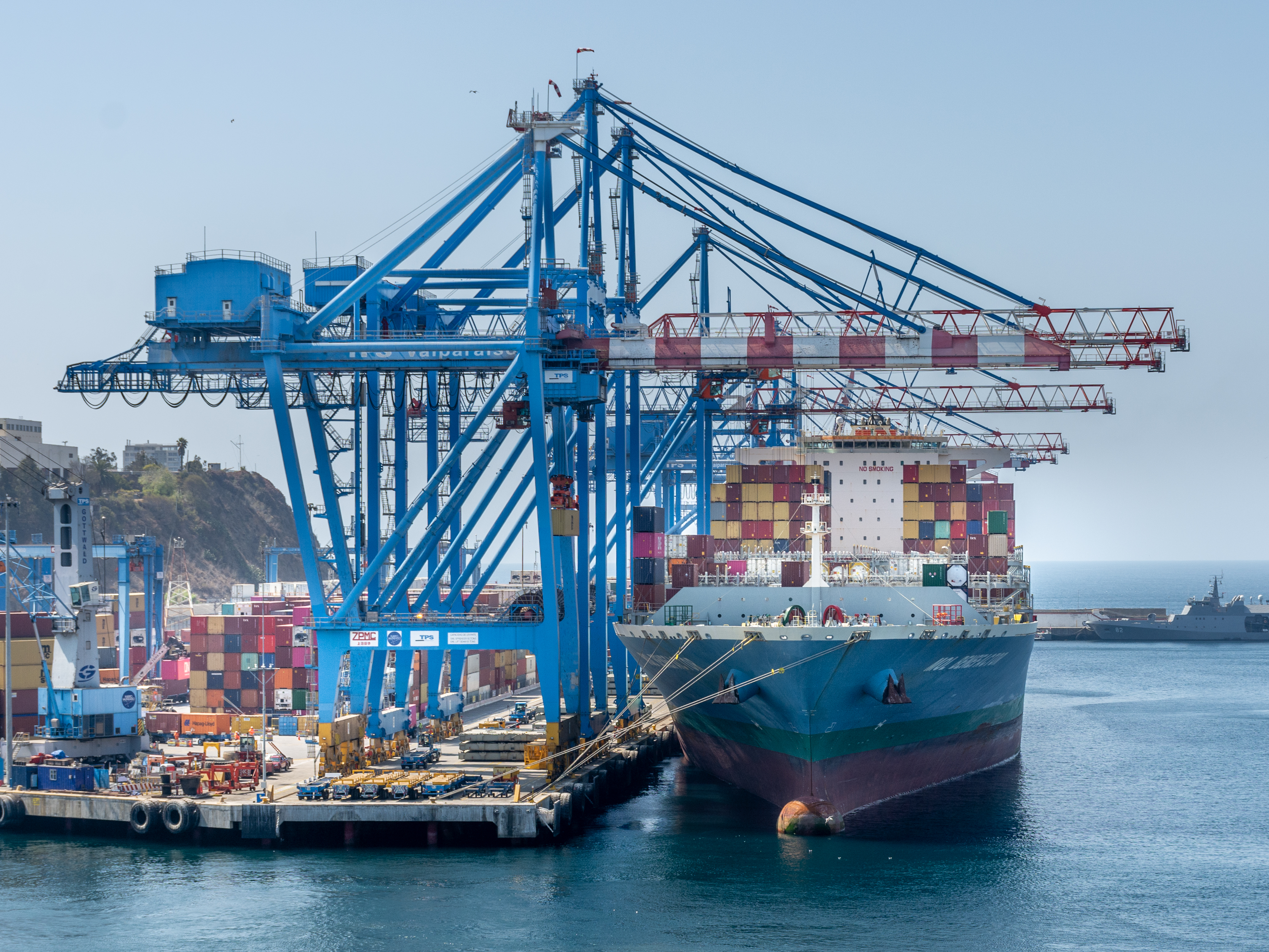
We docked in Buenos Aires on Sunday morning, February 9th at a main commercial port facility. We would stay on the ship overnight before disembarking to end the cruise portion of our trip.


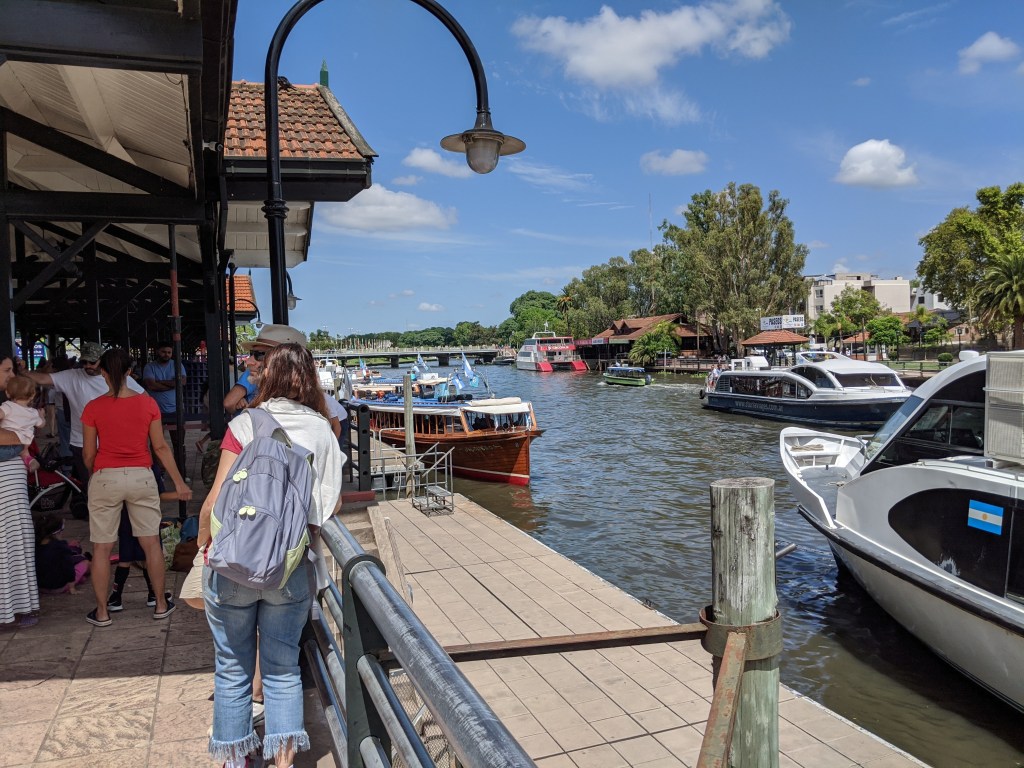
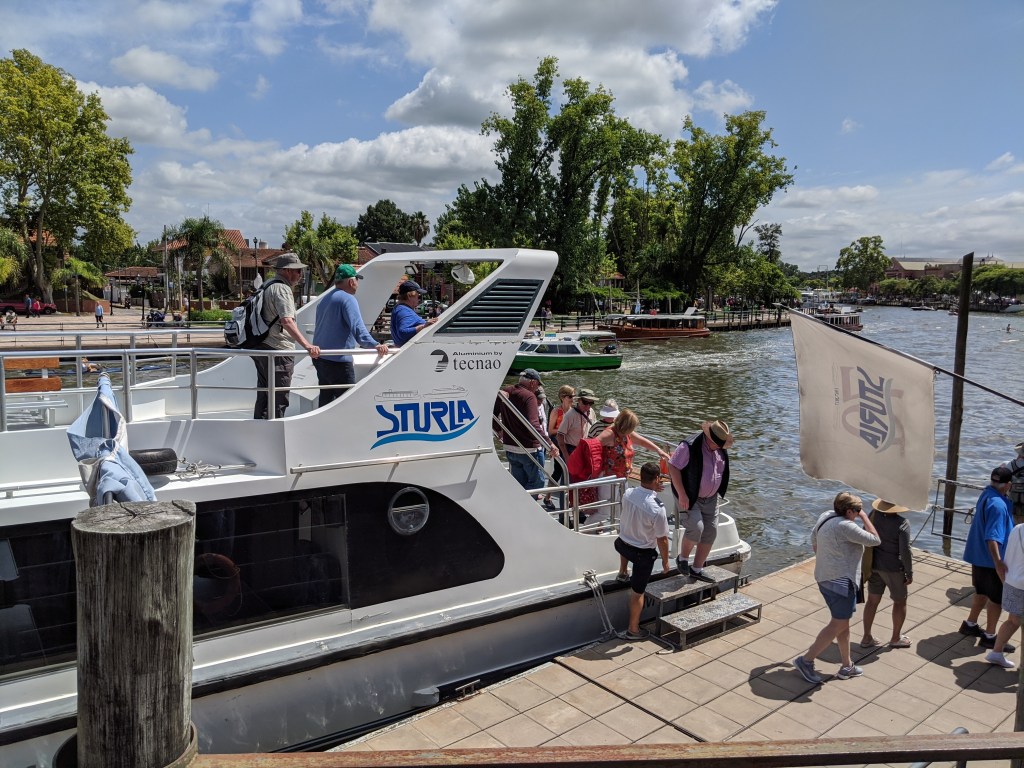
Where we docked was in the middle of a big container terminal, so we had to use shuttle buses to get from the ship to the cruise terminal building. We had a full day excursion tour booked for Sunday which was a boat tour of the Paraná River Delta. It was about a 1 hour coach ride to the suburb called Tigre where we would board the excursion boat.

The Paraná River is the second longest river in South America (of course the Amazon is the longest) at about 3,000 miles long with its source in southern Brazil. The delta is a vast wetland area with endless channels and waterways, looking similar to the Mississippi delta in Louisiana.

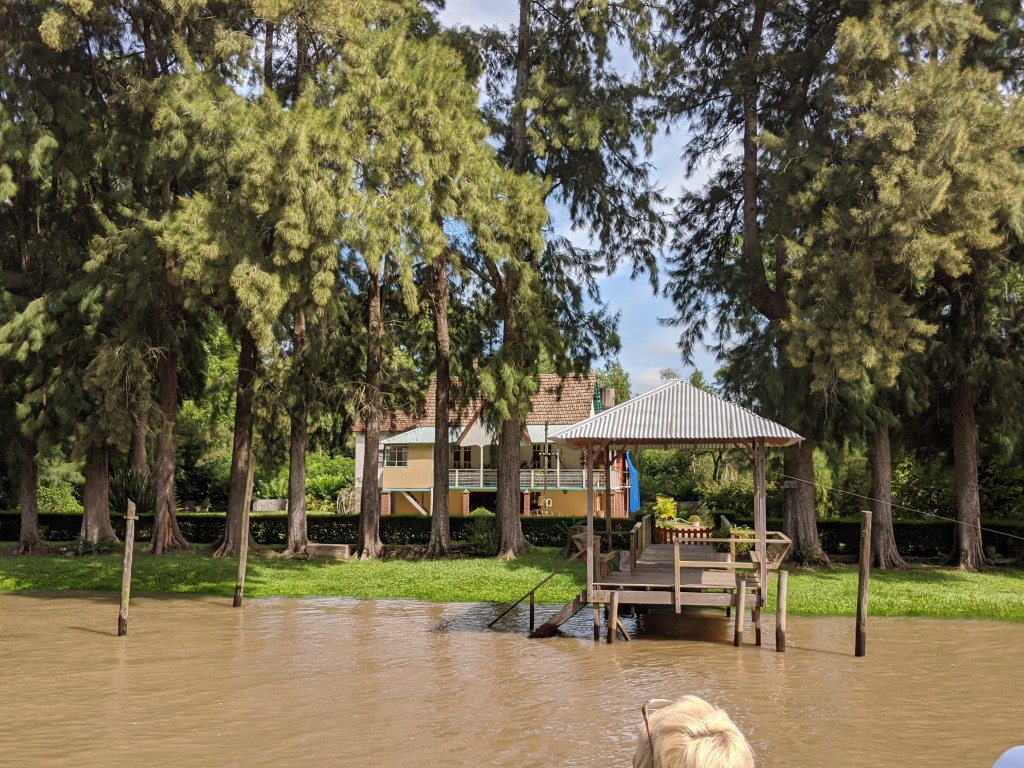
The boat tour, about 1.5 hours, took us through several canals where there were large numbers of weekend cabins, cottages and even some substantial mansions, all built up on stilts because of the annual floods. It seems that every home had their own dock and many of these places can only be accessed by water, so lots of small boats.

On the return trip to the ship, we stopped at the city of San Isidro and visited the Cathedral there, a beautiful late 19th Century neogothic style building. Our tour guide walked us through the cathedral, but we stopped briefly inside because Mass was about to begin. The Plaza de San Isidro in front of the church hosts a long standing artisan market and there were many stalls with hand made apparel and jewelry.


Cruise Ends ☹

We had a nice dinner on our last night on board. Said good bye to our favorite service staff members, put the luggage out by 10pm, then went to bed for the last time in our comfy stateroom.

Overnight, another larger MSC cruise ship docked nearby and when it was our group’s turn to disembark in the morning, the cruise terminal was chaotic with a couple of thousand passengers trying to get their luggage through the security x-ray scanners.

Since we booked a cruise extension for three days in Mendoza, Viking arranged to fly us to Mendoza. Up until now, we didn’t know how many others would be on this excursion. We met up with the others who were going to Mendoza and there were two other couples for a total of six. Very small group! We were met outside the cruise terminal by our guide who took us to the local airport for our flight. Our guide Ailin (Eileen) would stay with us for the whole Mendoza trip and we would be joined by a second guide in Mendoza, Estefan. We will have a separate blog post about our Mendoza excursion which turned out to be one of the best post cruise excursions we have ever taken with several pleasant surprises.

Now it’s off to Mendoza

South America Cruise – Part 3

Rounding the Horn… Punta Arenas & Ushuaia

We spent several days cruising the southern tip of South America with port stops in Punta Arenas Chile, Ushuaia Argentina, and then sailing around Cape Horn to enter the South Atlantic.

Punta Arenas

We spent a day in Punta Arenas and we opted for the included walking tour of the town. The ship was alongside the main dock which is in the center of town and our walking tour started right from the dock. We had an excellent local guide.

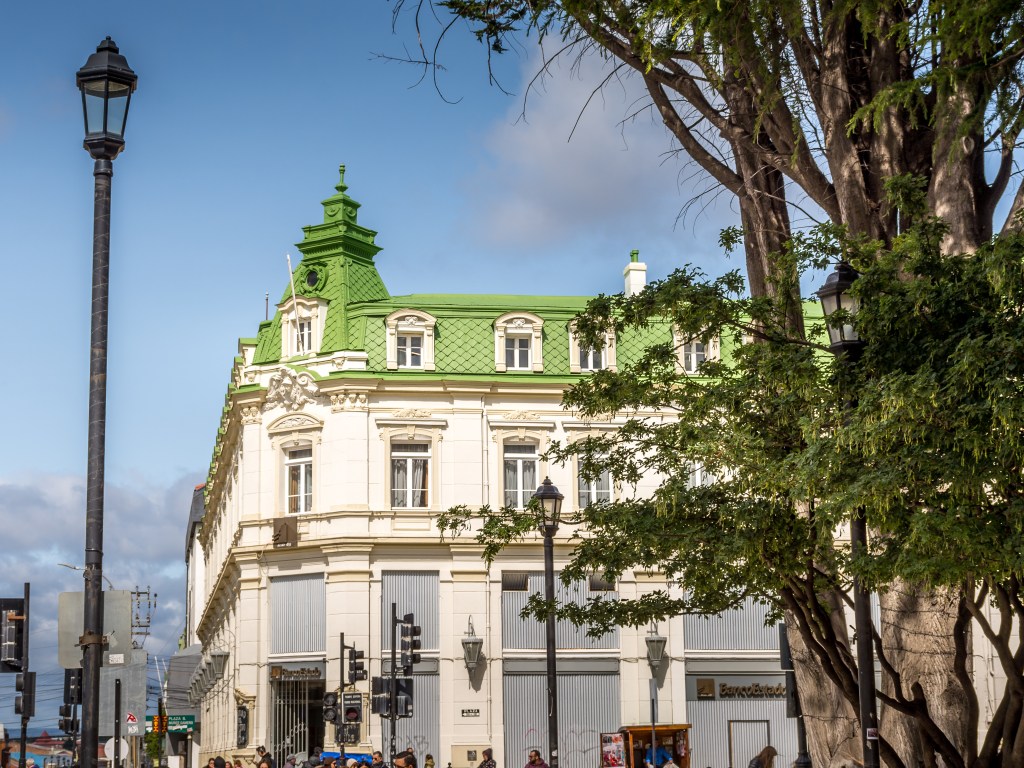
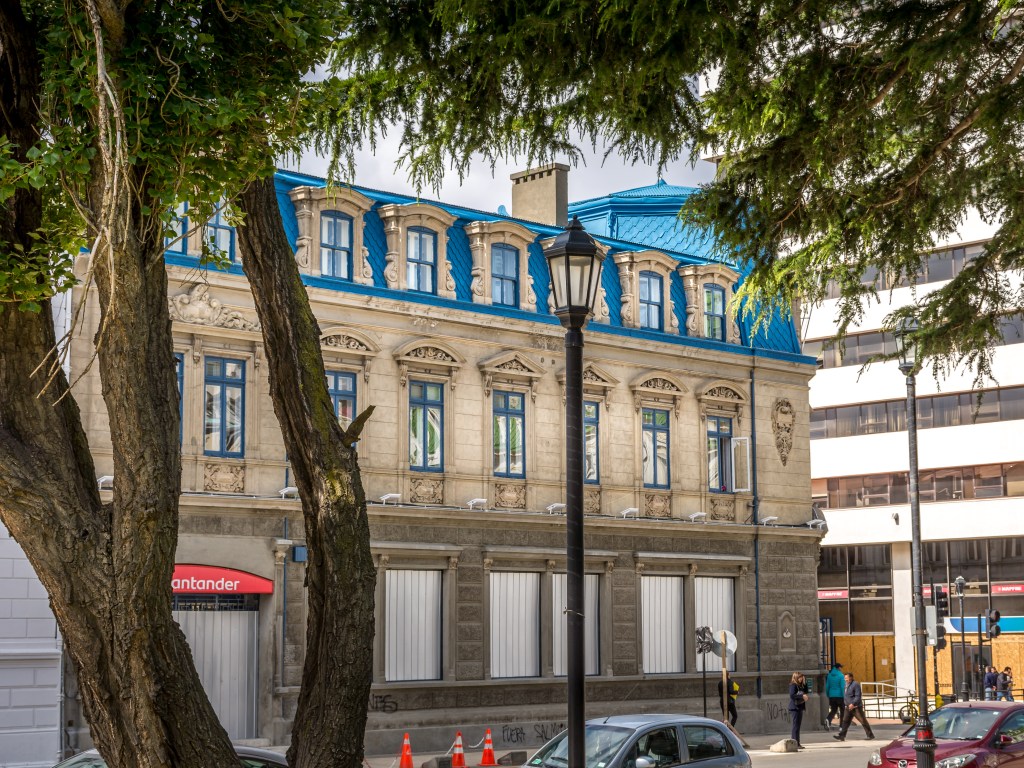
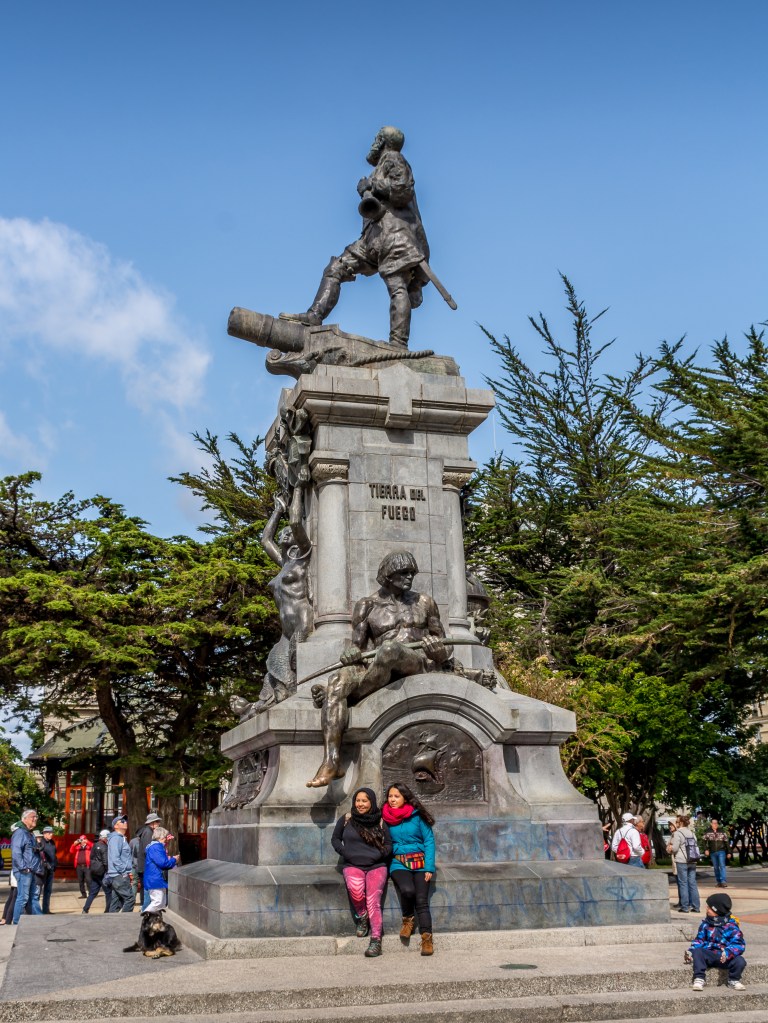
It was a bit disheartening to see the damage, graffiti and vandalism to buildings and monuments from the recent riots and unrest. The highlight of the tour was the walk up to a hilltop vista point (steep sidewalks and lots of steps) which offered a great view of the town with Magellan Strait in the background.


Ushuaia, Argentina

An overnight sail from Punta Arenas brought us back out through the Magellan Strait, then into the Beagle Channel for an early morning arrival in Ushuaia Argentina on January 31st.

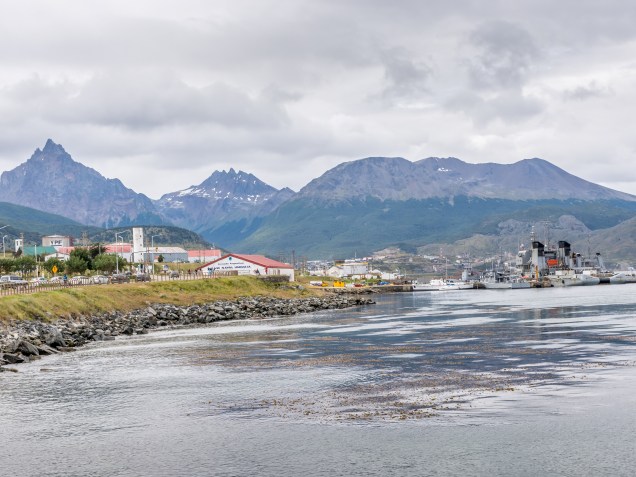
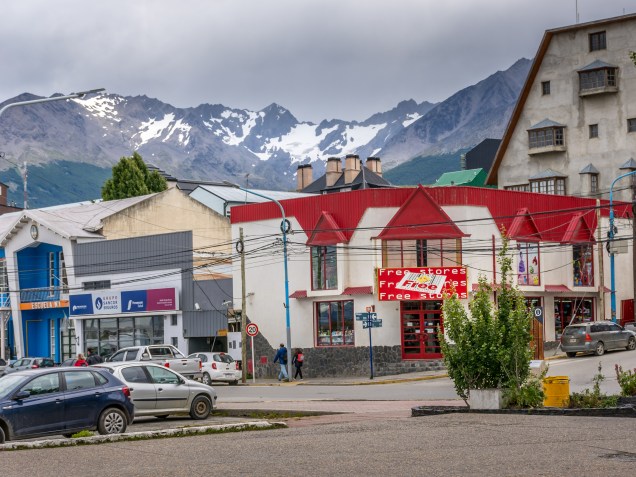
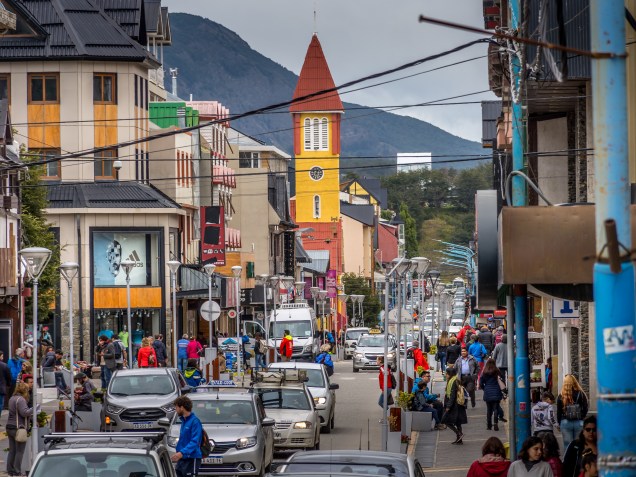
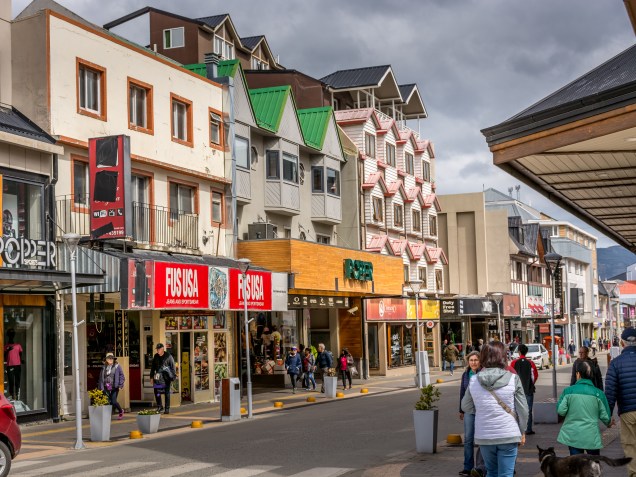
Ushuaia Argentina is the worlds southern most city and it is a main departure point for Antarctic expeditions. The city is located on Tierra el Fuego and is known as the “End of the World”. It has colorful buildings and is surrounded by snow covered mountains which provide a very scenic backdrop.

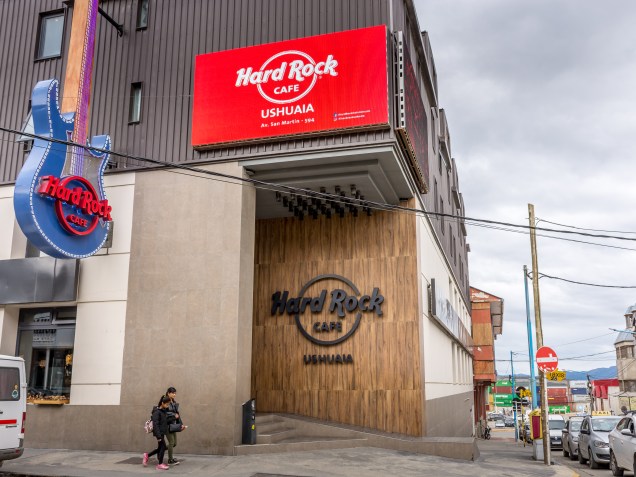
We had a brief bus tour around the city and we spent the afternoon walking around the small downtown and along the waterfront. We found the Hard Rock Cafe, I suppose it would be the southern most Hard Rock Cafe in the world. At the recommendation of our tour director David, we visited the Laguna Negra chocolate shop. According to David it is one of the best chocolate shops in South America. We ended up buying a kilo of assorted chocolates and definitely agree with our tour director.

The port is very busy and the dock where we tied up was full of the smaller Antarctic Expedition cruise ships. We left late in the afternoon for the overnight sail to Cape Horn.


Rounding Cape Horn

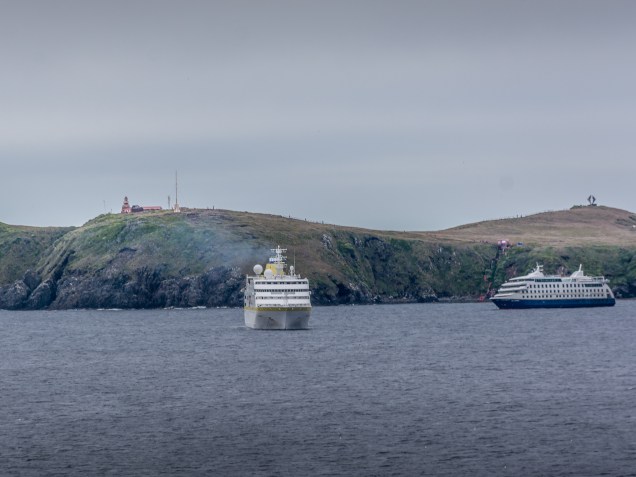
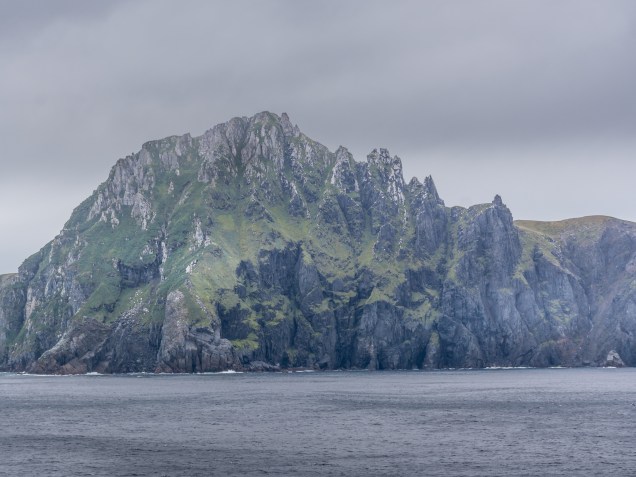
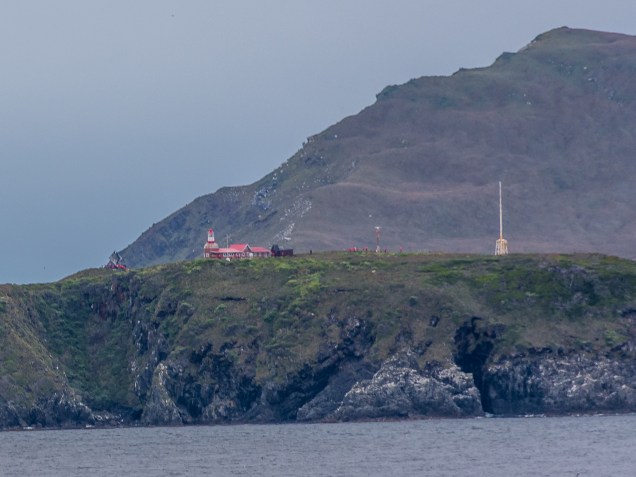
We arrive at Cape Horn at around 8am on February 1st. Cape Horn is actually an island so after viewing the actual southern most point with the famous Cape Horn lighthouse, we sailed around the island and then headed northeast for our next destination, Port Stanley in the Falkland Islands. As we sailed around Cape Horn, there were other smaller cruise ships sailing around the area. As we entered the Atlantic Ocean the winds and the seas picked up a bit so it was a bit rough for much of the day and overnight sail towards the Falklands.


Falkland Islands

We were looking forward to the visit to the Falklands. There were quite a few interesting shore excursions available and we chose two excursions that involved scenic drives and visits to penguin areas.

During the port briefing the night before our arrival we were told there was a possibility that high winds would prevent tender boat operations, thus cancelling the Falkland shore visits. The final decision would be made in the morning when we anchored, when the Captain could assess the conditions and forecasts.

In the morning, it appeared that the winds were favorable, so we were all at our departure assembly points waiting for our turn to board the tenders. The early tour groups actually got ashore but then the winds started picking up an the forecast was not good. The Captain decided to cancel all shore tours and recalled all who already made it ashore. Needless to say, there was a lot of disappointed passengers, but we totally respect the Captains decision. If several hundred passengers were ashore and could not be returned to the ship the whole remain cruise itinerary could have been jeopardized. In addition Port Stanley does not have hotel accommodations to handle that many people and they would have been housed in local school gyms or auditoriums.

So we left the Falklands for the two day sail to Puerto Madryn Argentina where we hope to see penguins.


It is the half way point of our South American Cruise. Nine more days to go as the sunsets on the first half of our voyage.


Useful Links

Punta Arenas Chile

Ushuaia Argentina

Luguna Negra Chocolates

South America Cruise – Part 1

Arrival in Chile

Our long-anticipated Viking Ocean Cruise, “South America & the Chilean Fjords”, has begun. We left home on January 22nd departing Boston to Houston where we connected with an overnight flight to Santiago Chile.


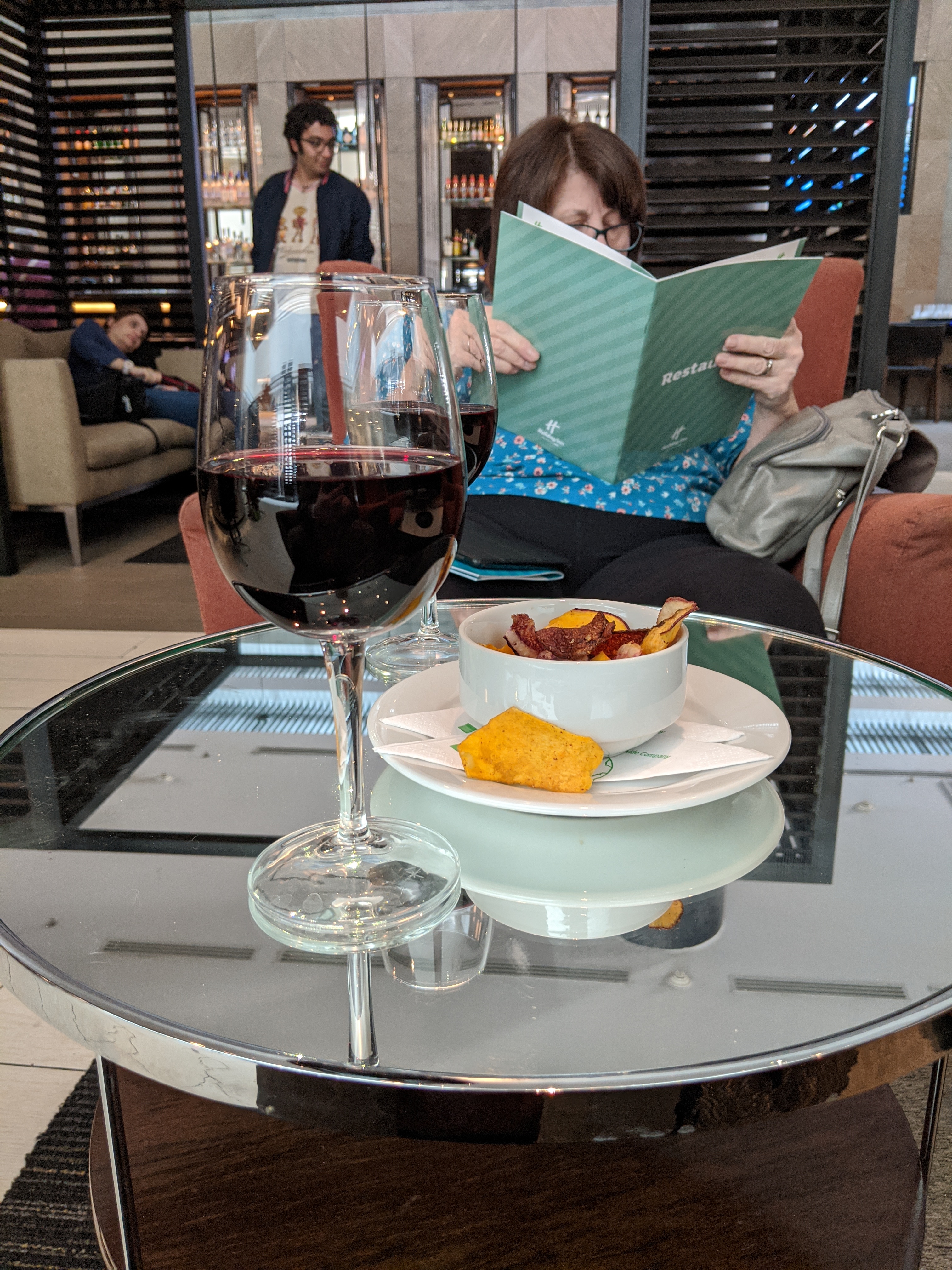
Our airline of choice is United since we have elite status and we were able to upgrade to “Polaris” Business class. The amenities with Polaris are great, they have a special Polaris Lounge at Houston which had hot food, free drinks and very comfortable surroundings. The lay-flat seats onboard the Boeing 767 allowed us to get some sleep on the 9 hour overnight flight, arriving about 10AM local time on Jan 23rd.

Our cruise scheduled arrival date was Jan 24th, but we chose to arrive one day early, so we stayed overnight at the Holiday Inn Express Hotel right outside the baggage claim section of Santiago Int’l Airport.


We chose to arrive one day early as a contingency. Since we live in New England we must expect that winter storms could screw up travel itineraries, so adding a “safety day” gives us some piece of mind. As it turned out, the same United flight the following day, with about 70 Viking passengers onboard, had to return to Houston after several hours because of mechanical problems. Those folks had to sleep in the airport and the flight finally departed after more than 14 hours delay. Those folks didn’t get to Chile and onboard the ship until after midnight, missing the first days activities.


The morning of the 24th we checked out of the Holiday Inn after a good night’s sleep, walked across the street to the baggage claim and met the Viking greeters who got us on our bus for the ride to the ship in Valparaiso.
We got to our ship, the Viking Jupiter, at about Noon, our room wouldn’t be ready until 2pm.

Lunch with a Chilean Friend

This free time was an opportunity for me to meet up with an old friend and work colleague Luis Torres. I have known Luis since my days at Raytheon in the early 1980’s when his company did service work on our radar and navigation systems. Several trips to Chile in those old days where I got to know Luis. In recent years we reconnected on Facebook.

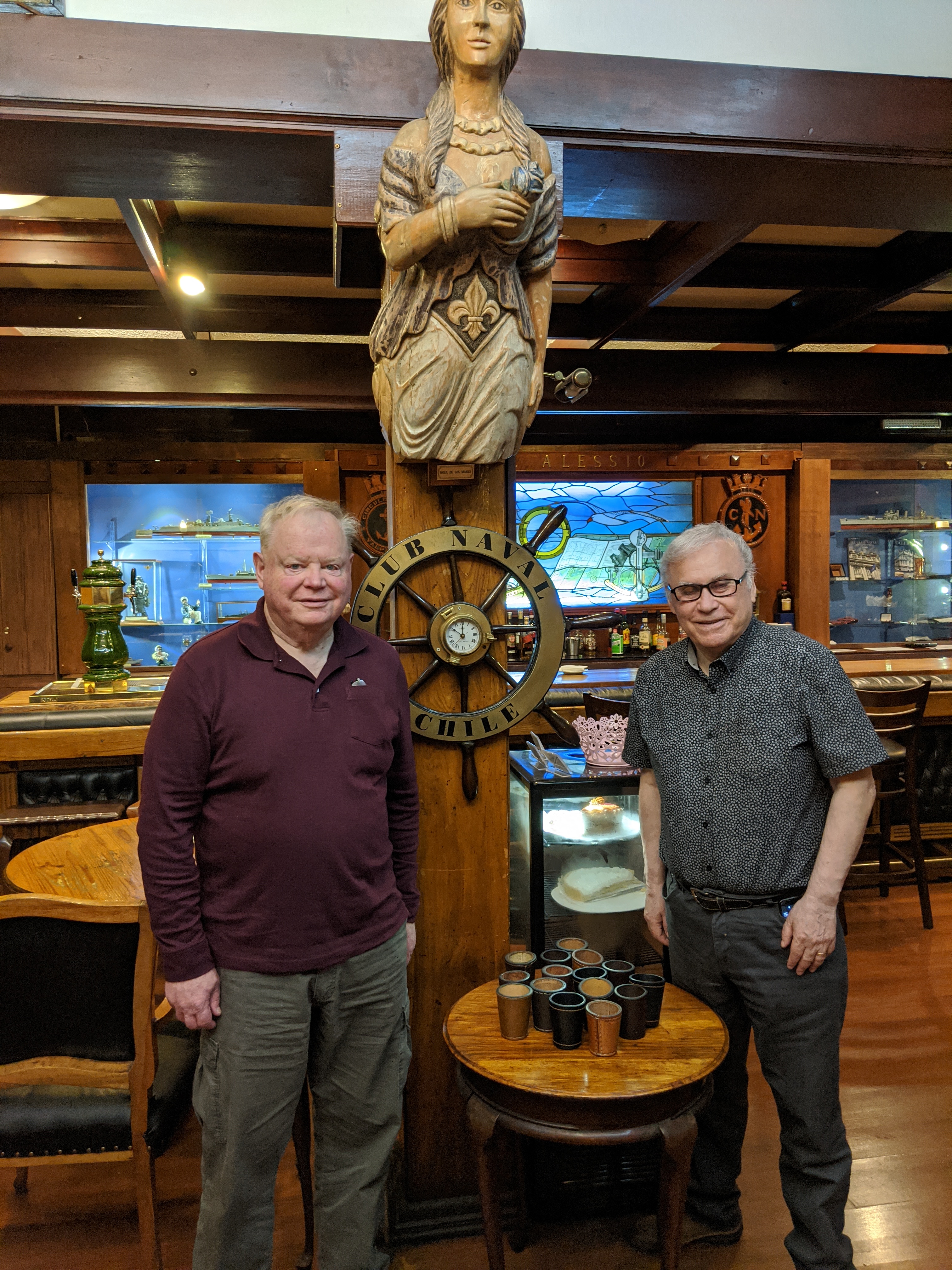
Luis invited me for lunch at the Club Naval (Chilean Navy Officers Club). In addition to his past service business, he is a retired Naval Officer. We had a great time reminiscing.

Checking into our Stateroom

We checked into our stateroom on the Viking Jupiter by late afternoon on the 24th. This day was Rick’s birthday, and waiting in our stateroom was a chocolate cake smothered in fresh strawberries and blueberries along with a bottle of champagne and happy birthday card. Nice touch Viking Cruises!

Rick’s birthday cake and champagne compliments of Viking

The staterooms on these new Viking Ocean Cruise ships are spacious and very comfortable. All rooms have verandas, no inside cabins. The bathrooms are roomy with a large shower. Also plenty of storage. There are several AC outlets, both US and Europe style along with quite a few USB charging ports on each bedstand and the desk. A mini- frig is stocked with soft drinks, Toberlone chocolate bars and assorted nut mixes, all free and restocked everyday. There is free WiFi throughout the ship, albiet, not super high speed, but adequate for email, web and social media. I hope to do a separate blog about the ship and life onboard.

Tour of Valparaiso and Casas del Bosque Winery


We had one additional day in Valparaiso before the ship left and on that day we had a Valparaiso city tour and a visit to a local winery for a tour and wine tasting.


If you have been following recent events in Chile you will know that public protests against economic and political issues turned into full blown riots and violence. We saw the results first hand during the city tour. Most downtown shops were still boarded up, some burnt out and destroyed. Lots of political graffiti covers once beautiful architecture and public monuments. It’s a shame to see this damage.

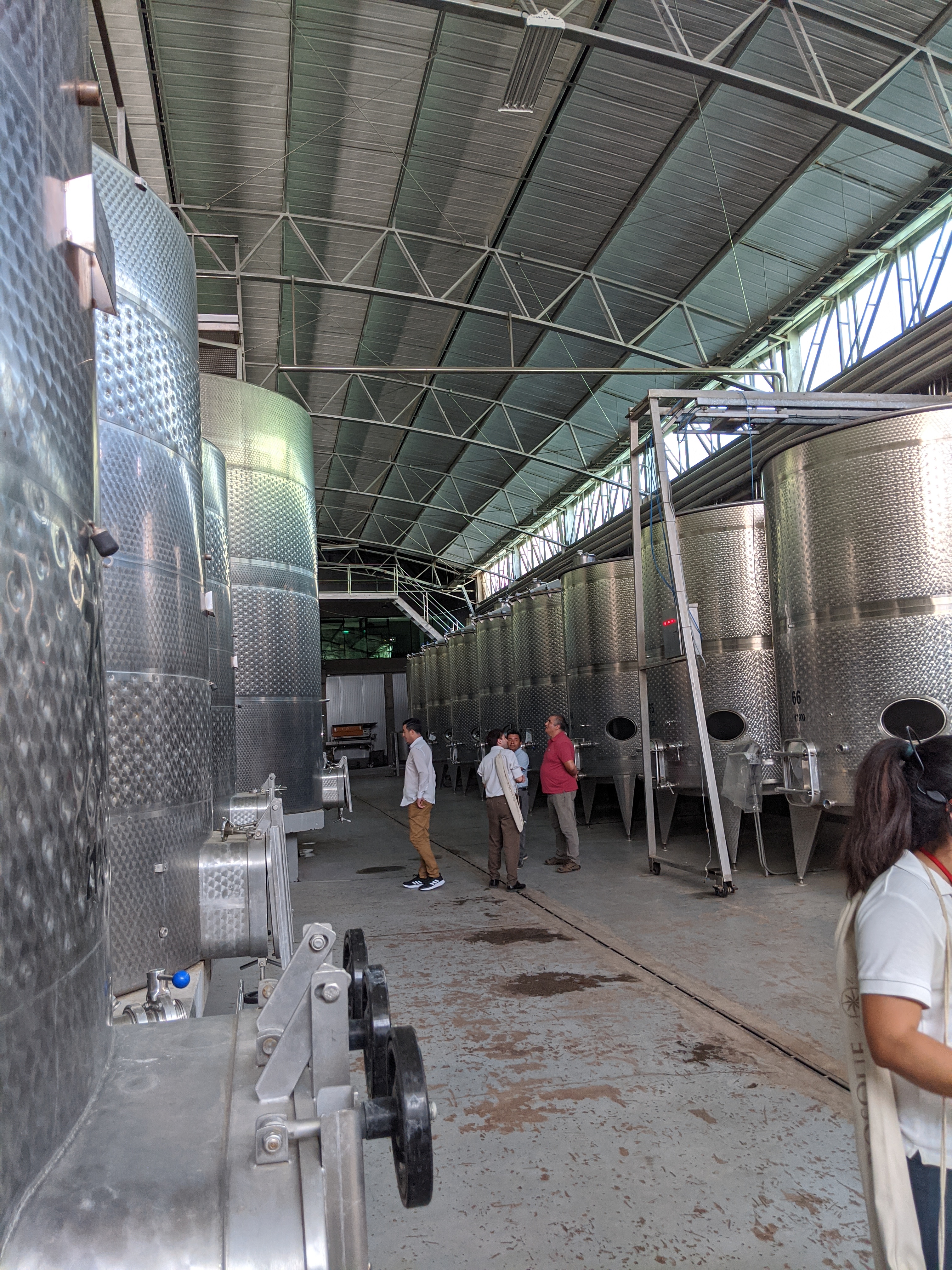
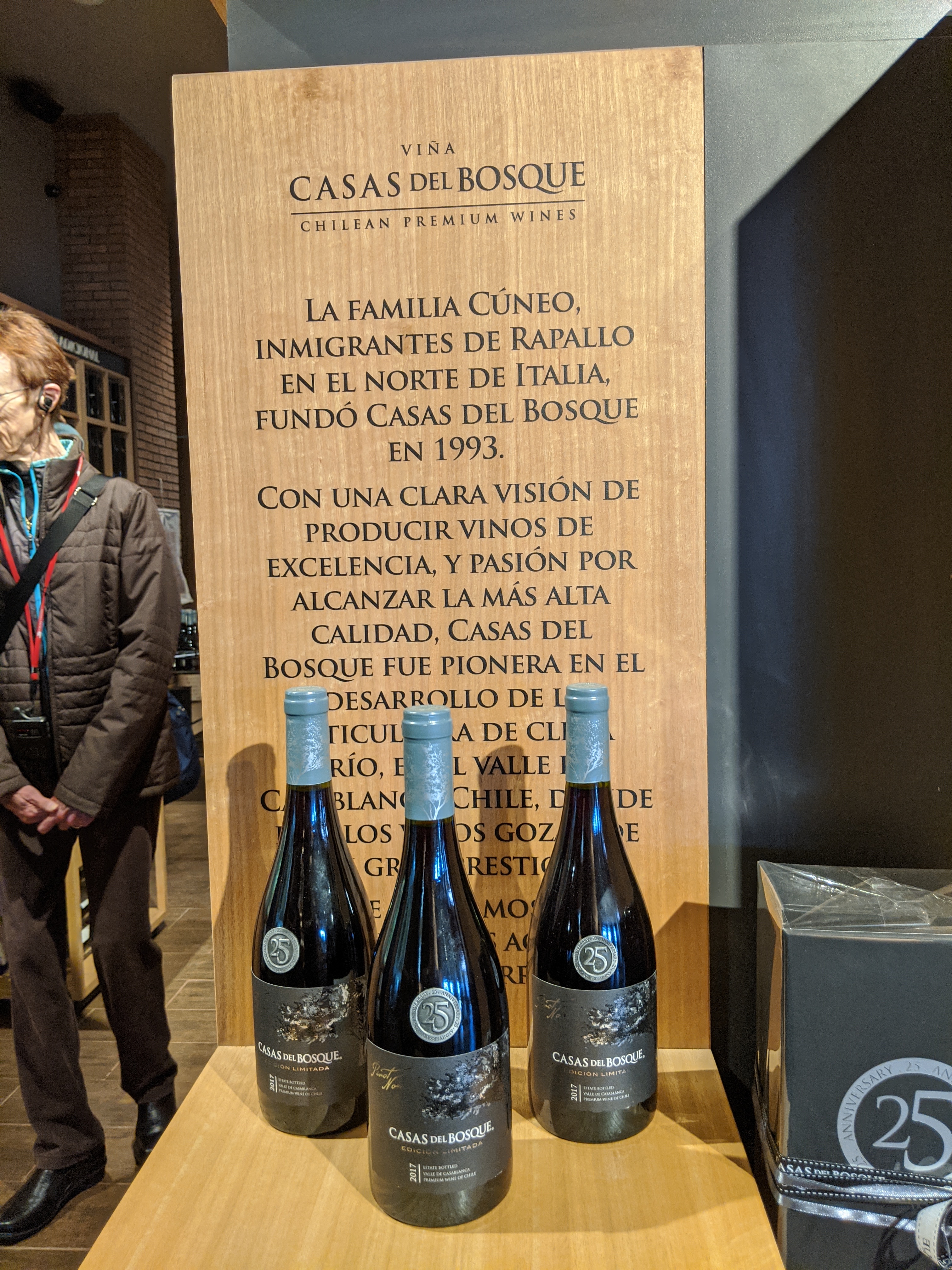
We then drove about 45 minutes outside Valparaiso to the Casablanca Valley wine district. There we toured the Casas del Busque vineyards, a local boutique winery.

Our tour guide, a very knowledgeable young woman, walked us around one of the Pinot Noir vineyards, then into the production area and finally an aging cellar where we tasted several wines.

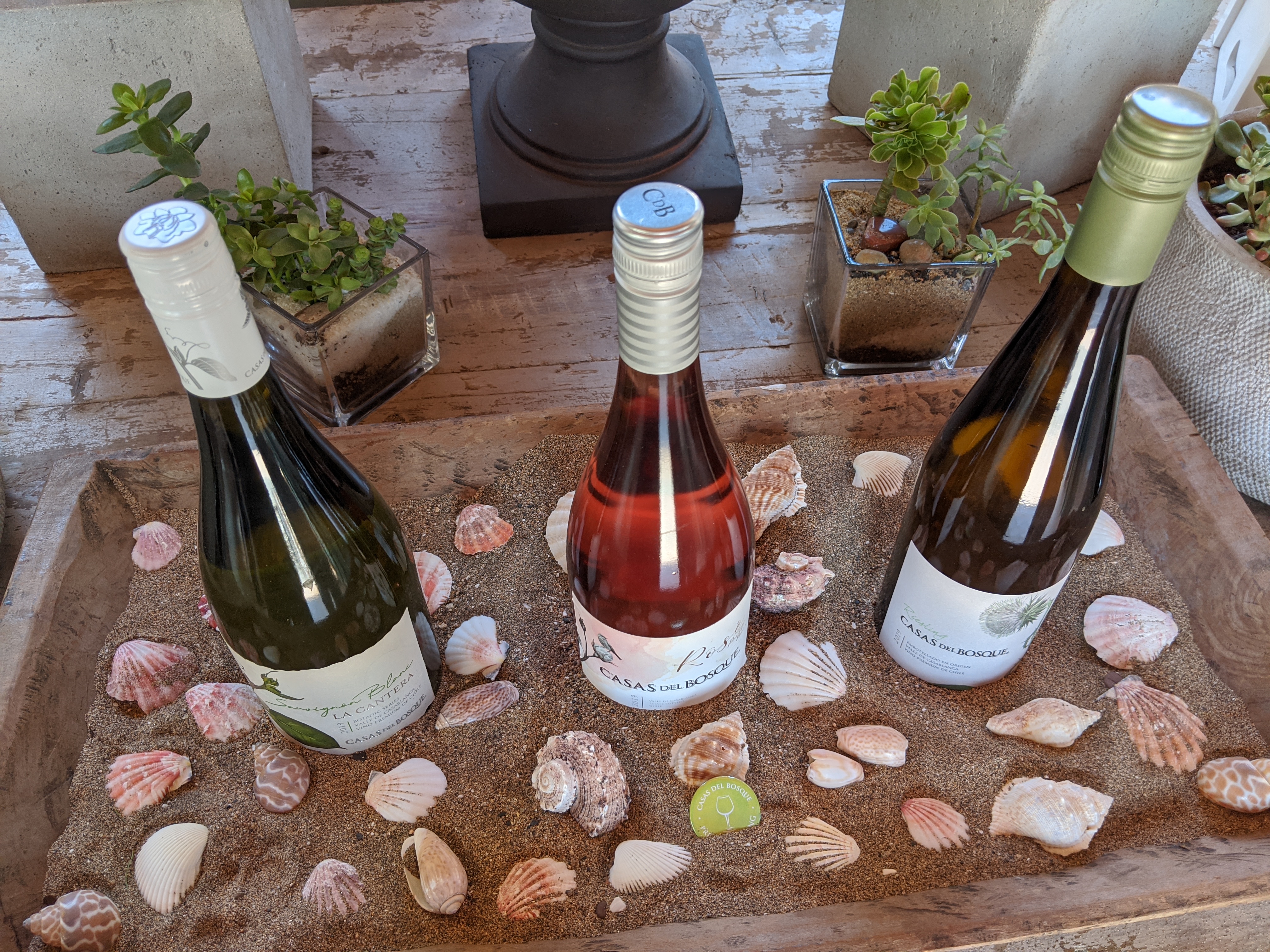
We tasted 3 wines; a white (Chardonnay) which was very good and 2 reds. One red, I believe was a Merlot and the second a Carménère. The Carménère was excellent and our guide explained that this grape was an old variety originally introduced into France’s Bordeaux region by the Romans in ancient times. Spanish missionaries brought the plants to Chile in the 16th Century where they have flourished since. The Carménère was all but wiped out in France by phylloxera plague in the mid-19th Century, but Chile’s climate and soil are resistant to phylloxera, so this dark red grape and wine is still produced. We enjoyed this variety so much, we bought a bottle to enjoy later.

Sailing out of Valparaiso

We left Valparaiso late on the 25th for the start of our long and exciting cruise. As we left Valparaiso, we watched the busy activity around the port, and watched the Harbor Pilot wave goodbye from the Pilot Boat. As we sailed south on the Pacific a beautiful sunset ended our first cruise day.

Useful Links…

Viking Cruise

Casas del Busque Vineyard

Brussels Christmas Market

Christmas time for me evokes many warm childhood memories. Decorating our family tree, shopping with mom in the big department stores all decked out with lights and displays, and of course, Santa Claus. I remember how excited we would get as Christmas day approach; the anticipation was palpable.

Many if not most of our Christmas traditions are deeply rooted in European culture. From the Christmas stories we read, Christmas TV shows and movies, Christmas music and Hallmark cards, all seem to depict those Dickensian or Currier & Ives themed scenes of a simpler time. What’s more traditional than the Christmas Market? These Christmas Markets date back to the Middle Ages celebrating the Advent season leading up to Christmas day.

What is it about European Christmas Markets that keeps drawing us back? When you walk the cobblestone streets of a European Christmas Market, usually located at the main Cathedral square or at centuries old town hall plazas, the past seems to come alive. Vendor chalets selling hand crafted ornaments, decorations or toys, plenty of local street food and the famous hot mulled wine (German Gluhwein or French Vin Chaud). For me this is magical, reinforcing the Christmas Spirit.

This years Christmas Market visit was to Brussels. Flying on the day after Thanksgiving, arriving for the opening weekend of Brussels’ Plaisirs D’hiver or Winter Wonders celebrations. The festivities are spread throughout the city and my hotel was in front of the main Christmas Market at Place Sainte-Catherineis.

The crowds were huge for the opening weekend with all ages; families with kids, young and older adults, lots of locals and tourists. Obviously a very popular place at Christmas time.

The Sights & Sounds of Brussels’ Christmas Markets

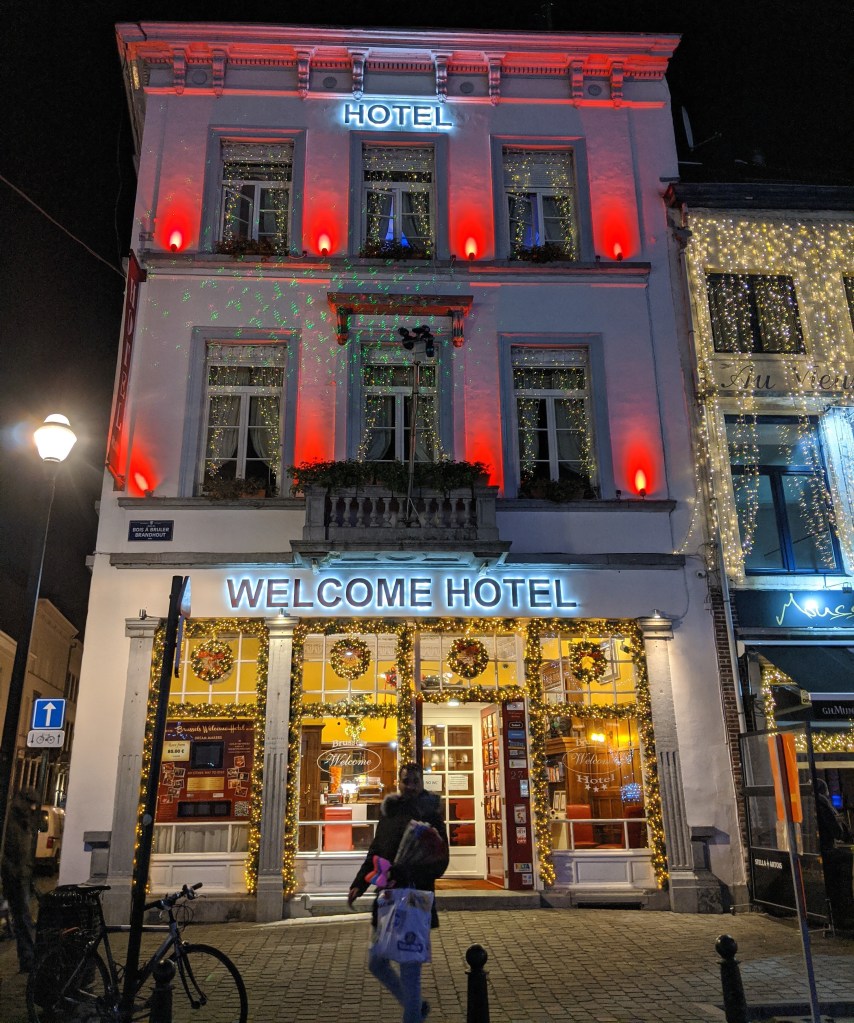
The main Christmas Market at Place Sainte-Catherineis with over 200 vendor chalets was located right across the street from my hotel, the Brussels Welcome Hotel. The hotel was quaint and quirky, with each room decorated in a different country decor. My room, the Cuba Room had a model of a ’57 Chevy convertible on the door (instead of a number), and the interior had cigar themed pictures and decorations plus a large wall mural of an old Havana building facade. The owners, Michel & Sophie and their staff were very friendly and helpful. They had their own chalet at the Christmas Market that featured oysters and champagne, that’s classy!

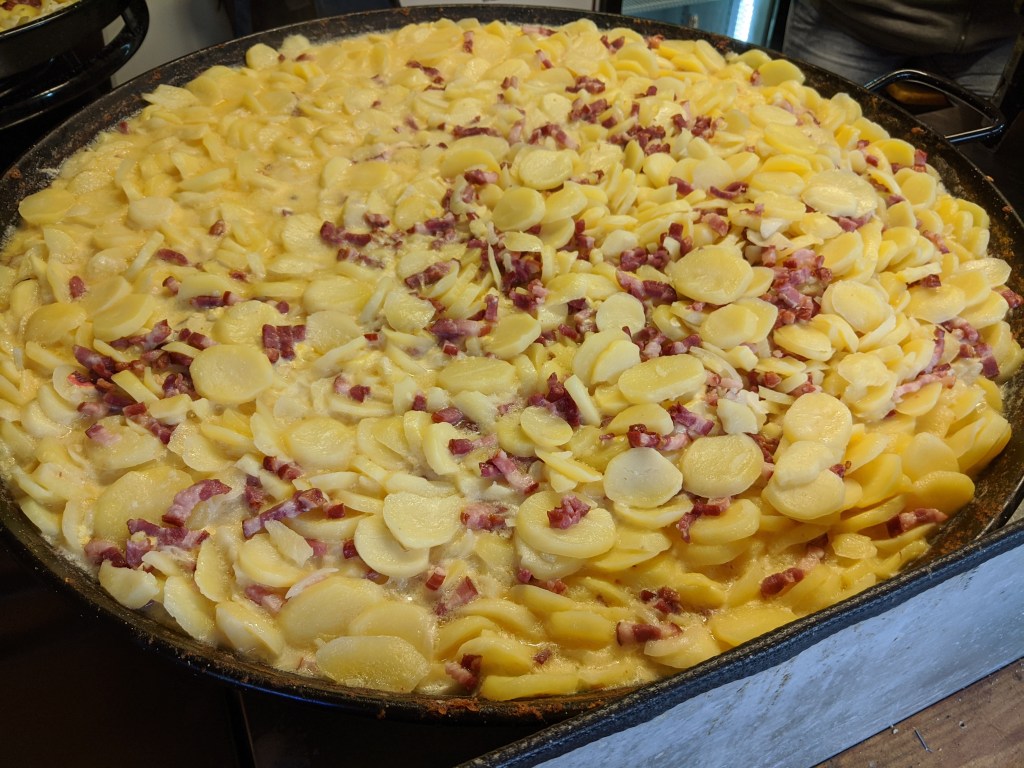
Speaking of the food, this Christmas Market had most of the typical fare; German bratwurst, pretzels, other comfort food, and of course, the Gluhwein. But there were some upscale selections as well, such as escargot, Russian caviar and vodka, along with the local favorites, fresh Mussels, Belgian chocolate and Belgian waffles. Fortunately there is a lot of walking at these Christmas Markets, so you can burn off those excess calories.

Food

There were several other Christmas Markets within walking distance. Grand Place, the main city square, with its towering 17th Century city hall surrounded by the gold trimmed Guild Halls, featured a large Christmas Tree in the center of the square. Grand Place was the site of an amazing light and sound show, presented every evening (several showings each night), with colorful lights projected against the facades of the old buildings.

Grand Place Light & Sound Show video

After a week in Brussels it was time to go home. This was the last trip for our 2019 travel season. Another Christmas Market completed and awaiting the New Year for new and exciting travel adventures.

Merry Christmas and Happy New Year Everyone!

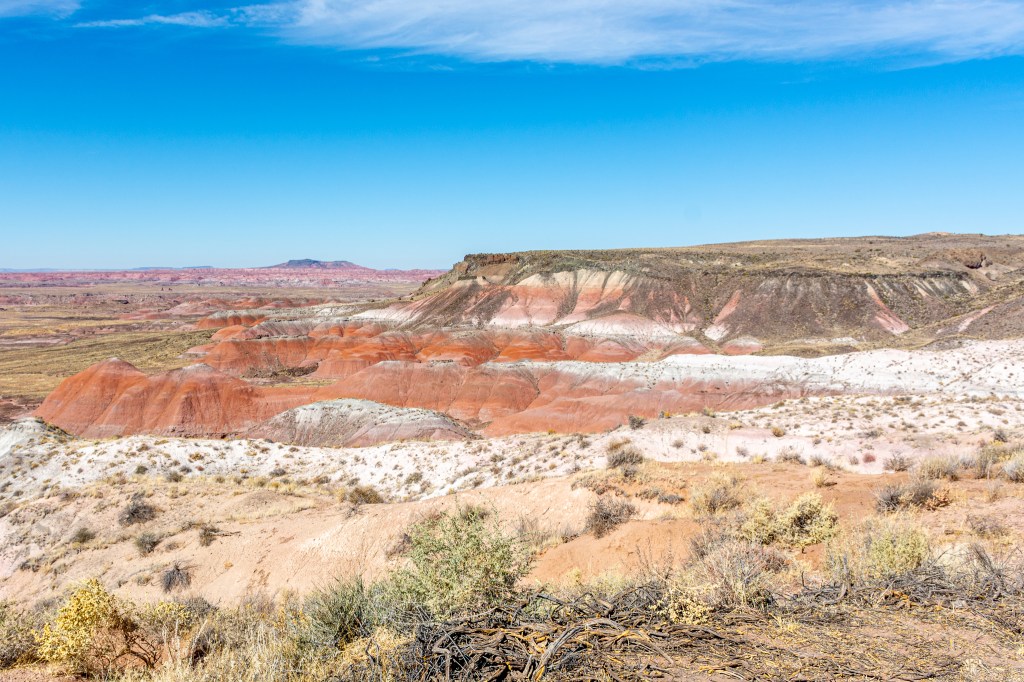
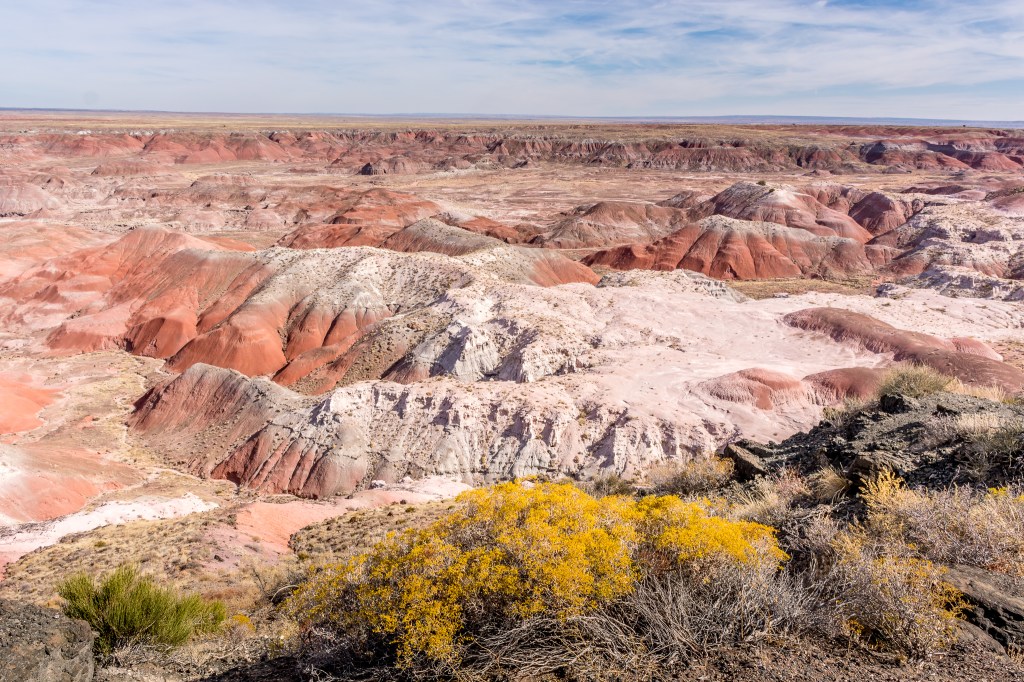
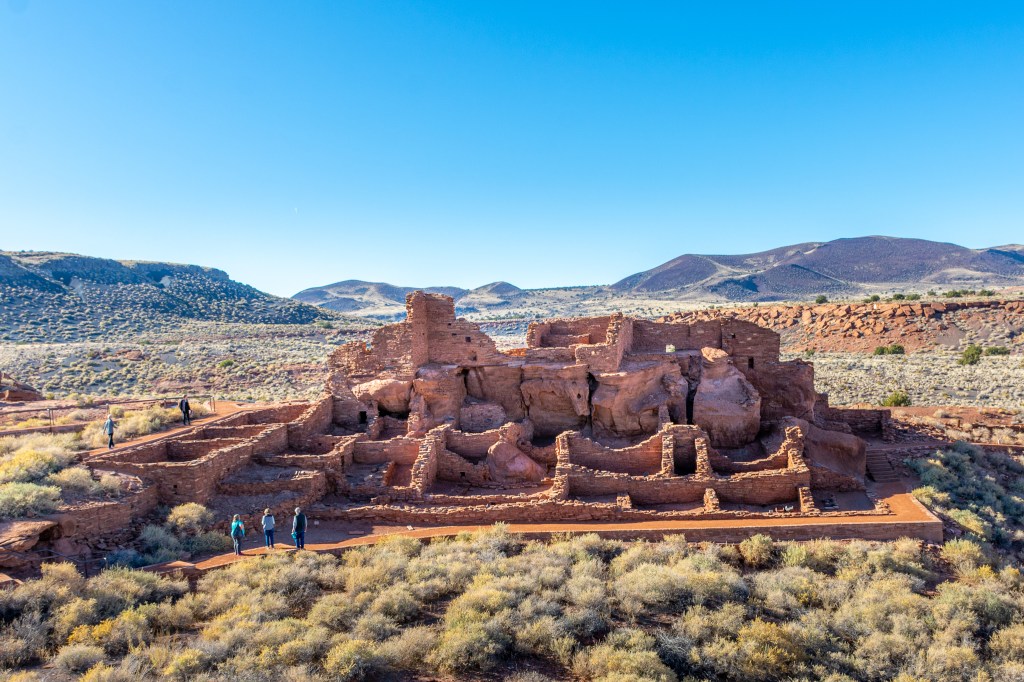
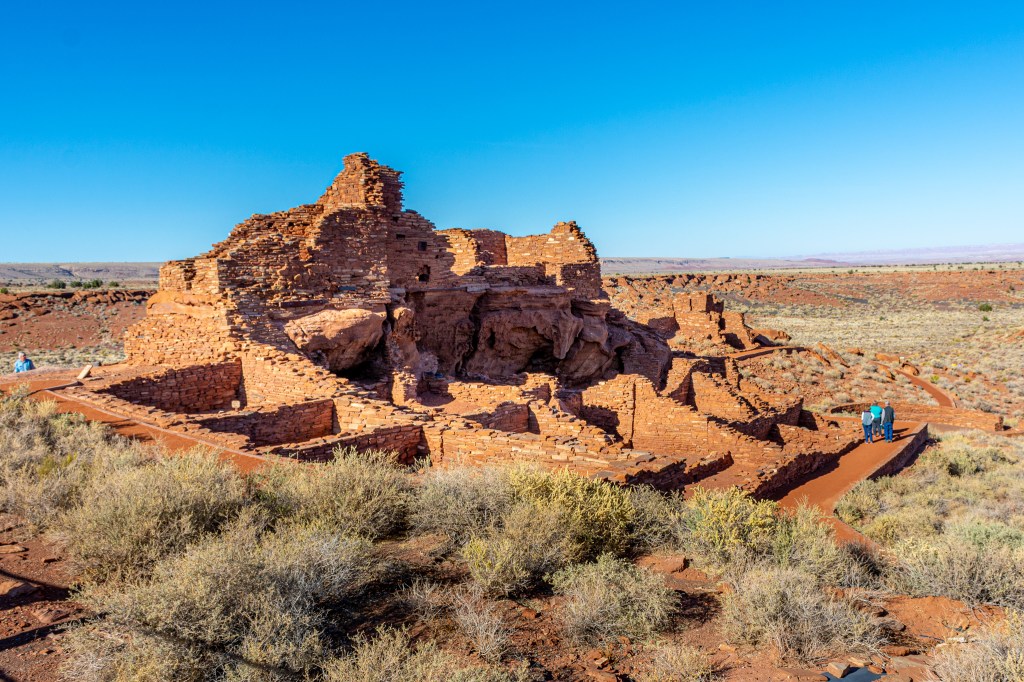
Northern Arizona Recap

Our 1-Week Northern Arizona Vacation…. Nov 2-9, 2019

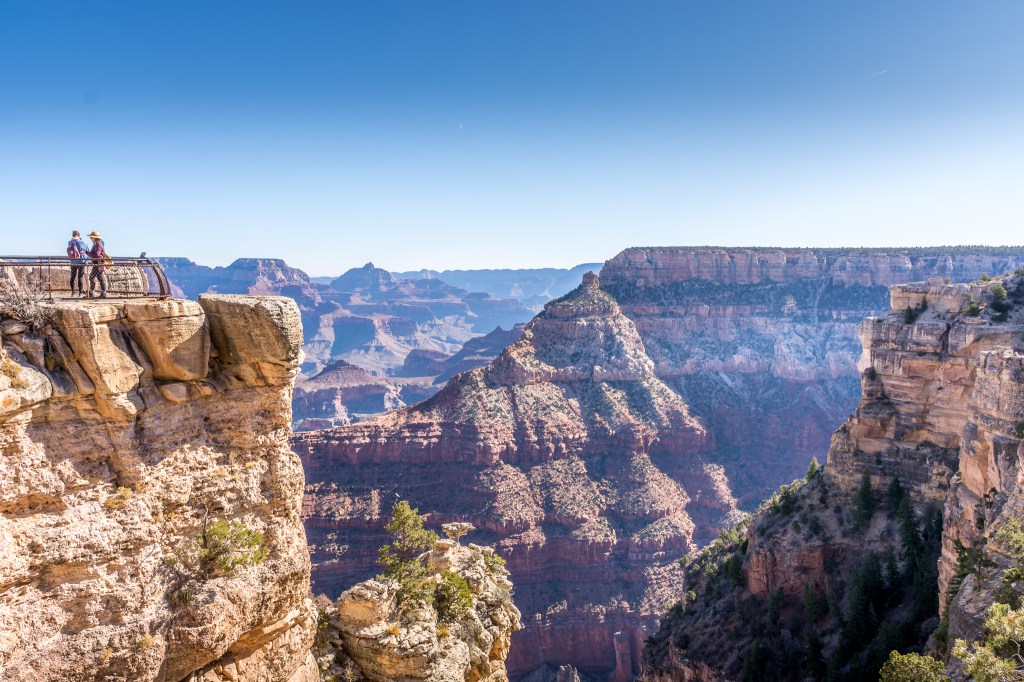
The last time we visited Northern Arizona was in November of 1973. I was in the Navy stationed on a nuclear submarine out of San Diego. After a grueling 9-month WestPac deployment, I took some R&R leave when Kathie and I visited Grand Canyon, Zion National Park, Lake Powell and Las Vegas.

Grand Canyon… November 1973
Kathie admiring the Grand Canyon Views, November 1973

Fast forward 46 years and Grand Canyon was part of our recent visit, which was seven days (Nov 2-9). We spent the first four nights in Flagstaff and the final three nights in Sedona.

Flagstaff Area

While in Flagstaff, we visited:

Our hotel in Flagstaff was the Residence Inn, which is a relatively new hotel located right in the historic downtown district. Walking distance to the many restaurants, cafes, pubs, micro-breweries and wine bars of Flagstaff.

Sedona Area

We spent our last three days in the Sedona area. Our hotel, the Holiday Inn Express is actually in Oak Creek which is several miles outside Sedona proper.

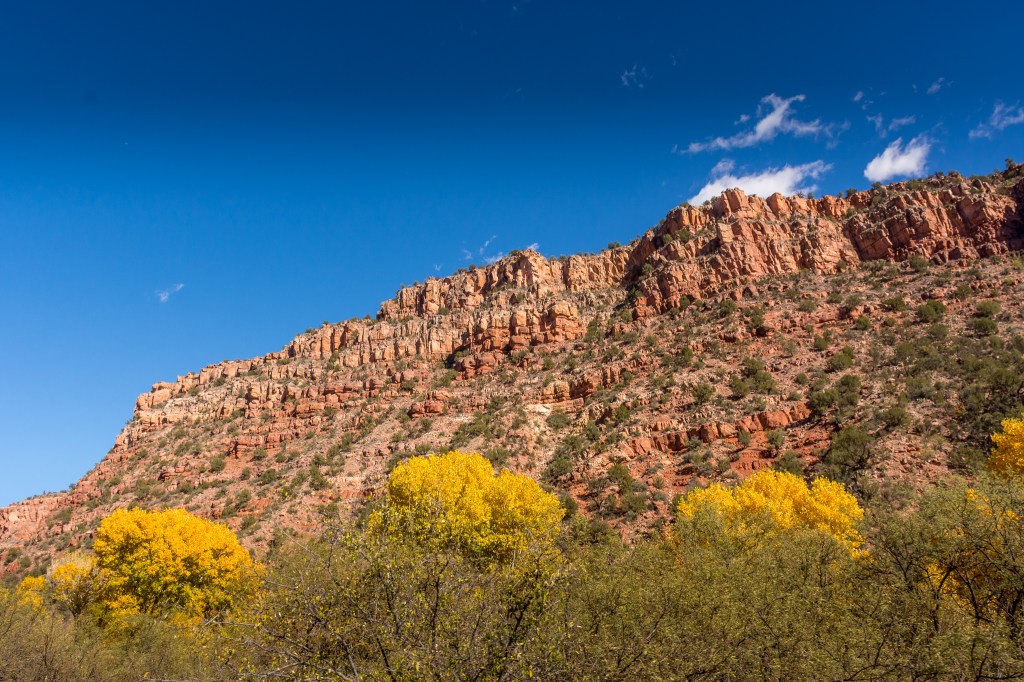
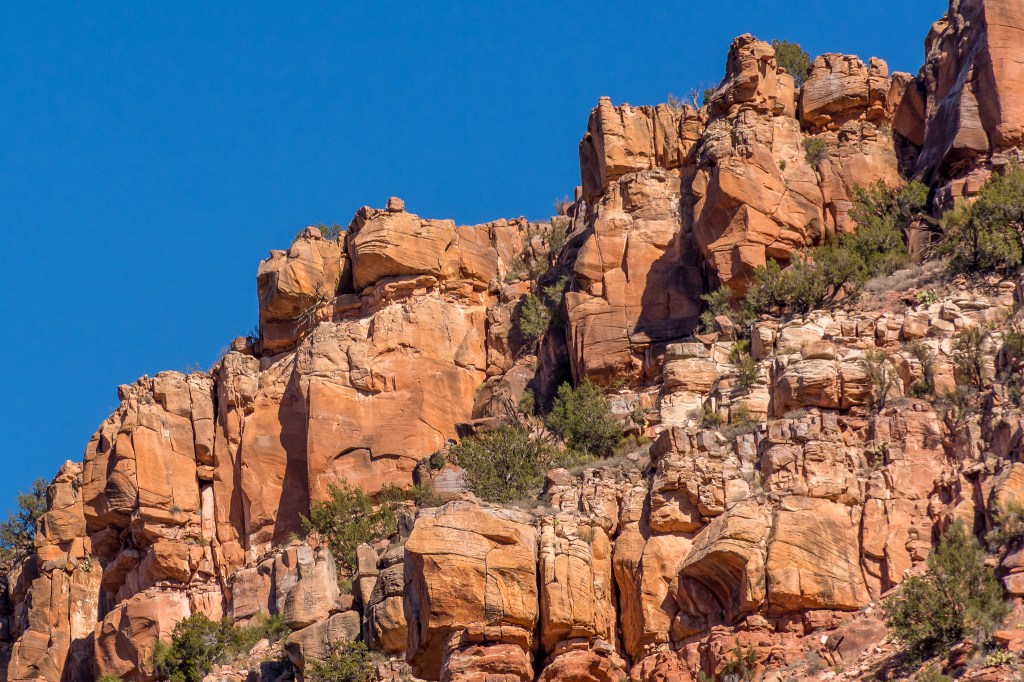
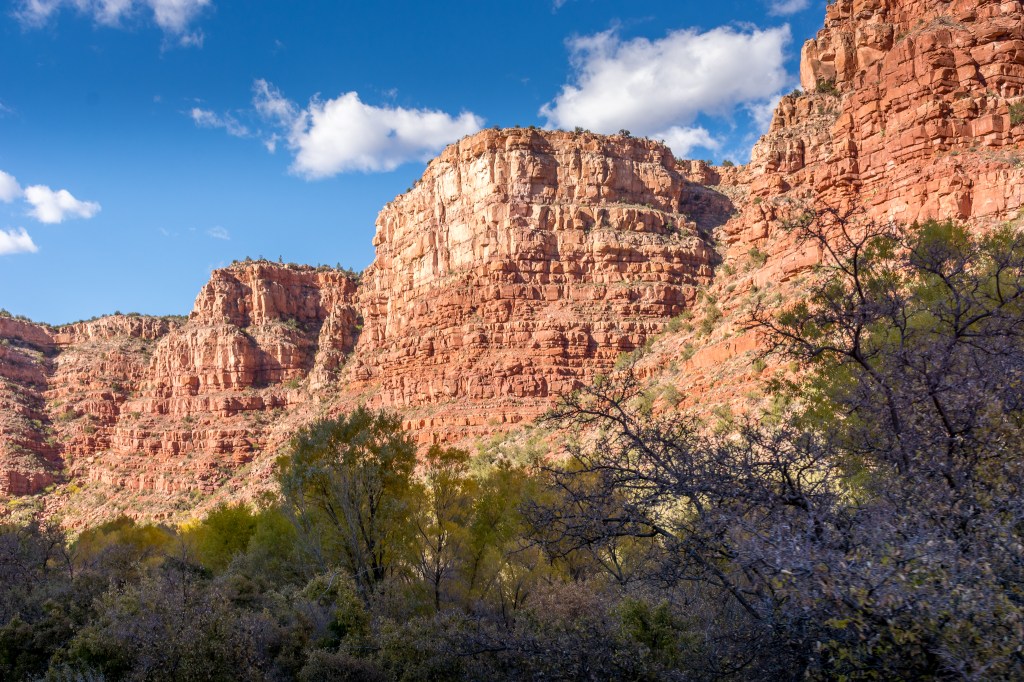
The drive into Sedona on state route 179 from Interstate 17 offers an amazing welcoming view of the Sedona valley. The stunning red rock buttes rise up from the desert floor and in the late Fall sun, the lighting and colors are spectacular. Any visit to Sedona must include a drive up the the airport lookout area. This vantage point offers wide panoramas of Sedona and the surrounding area. It’s best to go there at sunset.

One of the attractions not too far from Sedona is the Verde Canyon Railroad, located in Clarksdale, about 40 minutes south of Sedona. This is a sightseeing excursion train that runs along the Verde River and goes through the deep, red rock canyons offering spectacular scenery. Since this was November, the cottonwood, aspen and sycamore trees were in full Fall colors, which added to the beauty of this area.

Short video of our ride on the Verde Canyon Railroad

Cruising on the Douro River

The actual river cruise portion of our trip started on Saturday, October 12, 2019. Our ship, the Viking Torgil, left from city of Vila Nova de Gaia near the mouth of the Douro River at Porto and traveled about 200km to Barca d’Alva at the Spanish border (of course then returning to Porto) and along the way, some of the most beautiful scenery unfolds around each bend of the river. Due to navigation regulations, ships can only transit the river during daylight, which is perfect for sightseeing. At night the ship is docked at small riverside towns and various shore excursions are scheduled around these stops.

The river winds through miles and miles of the valley where steep man-made hillside terraced vineyards rise up from the river’s edge. These terraces were built centuries ago and grapes are still picked by hand. Wine has been produced in the area for more than 2,000 years, but it was not until 1756 that the industry became organized and internationally recognized.

As the ship moves further upstream, the true story of the area’s wine country begins to unfold. Here, in the Alto Douro Wine Region, winding roads pattern the landscape, leading up to wonderfully lush vineyards. Gleaming white quintas, or wine estates, are visible and offer a glimpse of a traditional way of life that has existed for centuries.

Sightseeing along the Douro
Sunrise on the Douro
Passing sister ship “Viking Osfrid”

Dams and Locks

The trip up to Barca d’Alva requires passing through five locks that are connected with large dams. The dams were build in the 1970’s-80’s for flood control and hydro-electric power. The lock systems allow larger vessel traffic to navigate the Douro and, of course, opened up the river cruise tourism industry. Each lock raises the vessel above the dam and the lock at Carrapatelo Lock Dam is one of the highest locks in the world at 35 meters. The ship also passes under many bridges, some are very low and there is very little clearance. The ship’s pilothouse can be hydraulically lowered, and all masts are lowered. It’s quite a thrill to be on the sundeck when passing under low bridges. At one particular bridge, the crew required everyone on the sundeck to remain seated.

Going through the Crestuma – Lever Dam/Lock, Carrapatelo Dam/Lock, low bridges and narrow, rocky passages.

Shore Excursions

Mateus Palace

A stop in the area’s largest riverside town, Regua which is an important transportation crossroads and where the steep hills and terraced vineyards begin to rise above the river. In nearby Vila Real is one of the region’s most elegant houses—Mateus Palace. This 18th-century baroque house and gardens, once belonging to local counts. The house’s interior is an extravagant display of period furnishings and decor while its gardens, among the finest in Portugal, feature a 115-foot-long tunnel carved from fragrant cedar trees. Today, the estate enjoys celebrity status: It is depicted on the labels of Mateus Rosé, though the wine is produced elsewhere.

Mateus Palace
Who remembers drinking Mateus?

Favaios

A visit and tour of the Favaios’ wine cooperative, Adega Cooperativa de Favaios, provided incite into this area’s very famous wine, Moscatel de Favaios. Our visit coincided with the end of the harvests season, where we saw lots of activity. The tour was followed by a tasting of this Moscatel variety, which is nothing like that fortified “Muscatel” wine we may remember from our youth.

After the winery visit we did a walking tour of the small town of Favaios with visit to a famous family run bakery that produces the local “four corners bread”. The baker, Dona Manuela, a grandmother, has been featured in Viking Cruise’s promotional videos.

Salamanca, Spain

When the ship docked at Barca d’Alva we had a full day excursion over to Salamanca Spain for a walking tour of that city, visiting several interesting sights along with free time for lunch. The coach ride was about 2-hours.

We started our tour with a visit to the main indoor market, Mercado Central, where Viking had arranged a tasting of the local cured hams, cheeses, olives, and of course, some wine. There were a number of carnicerías (butcher shops) with the famous Jamon Iberico hanging on display. You see many grades of Jamon Iberico (acorn fed aged black pig leg), and some were priced as much as EU499! Several fish markets featured a variety of fresh seafood, but also had lots of salted cod, the local staple of the Iberian Peninsula. Then there were plenty of fruits and vegetables, bakeries and some specialty shops featuring Spain’s famous saffron. We did buy some saffron, it was expensive, but not as much as we would pay here at home. We will need to get out our favorite paella recipe!

Our walking tour with a local guide was interesting, but the weather didn’t cooperate, with rain showers turning into more steady rain fall. This was the first bad weather day we encountered on the cruise.

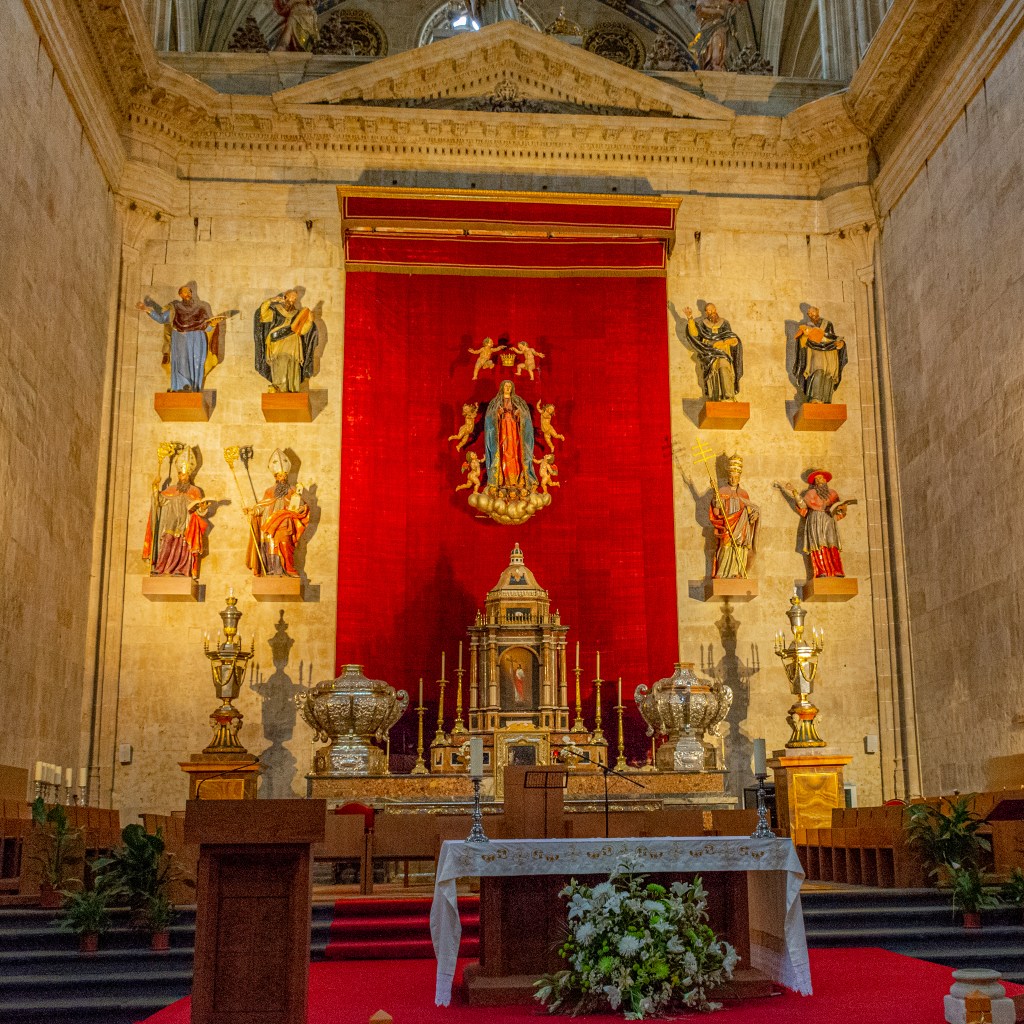
A visit to the Salamanca Cathedral gave us a chance to get out of the rain. There are two cathedrals, the Old Cathedral and New Cathedral. Back in the 16th Century it was decided that the original cathedral was too small, so a new, larger cathedral was needed. Originally it was planned to demolish the Old Cathedral, but then it was decided the New Cathedral would be build adjacent to the existing one.

The Old Cathedral is Romanesque, dating from the 12th century, and is famous for its ornate Gallo Tower. Its breathtaking 15th-century altarpiece features no less than 53 panels depicting scenes from the lives of Jesus Christ and Mary, topped by a presentation of the Final Judgment.

The New Cathedral was constructed between the 16th and 18th centuries in two styles: late Gothic and Baroque. Building began in 1513 and the cathedral was consecrated in 1733.

Brief video tour of Salamanca’s Central Market, New Cathedral and rainy walk around town.

Castelo Rodrigo

This medieval hilltop town, a bastion of the country’s heritage, provides a glimpse into the Portugal of yesterday. Due to its location near the Spanish border, it has been the subject of many frontier battles over the centuries. However, the structures did little to deter the determined Spaniards and so these fortifications were constantly under assault, besieged and rebuilt. It is a testament to their strength that as many as 20 have survived as lasting reminders of a long and bloody period of dispute between the two nations. The castles’ architectural styles range from medieval to Gothic.

The region around Castelo Rorigo has many almond orchards and as we walked through the medieval streets, local vendors were offering samples of everything almond; candied almonds, savory almonds, almond liquers. We couldn’t leave with purchasing several packages of various almond treats.

Lamego

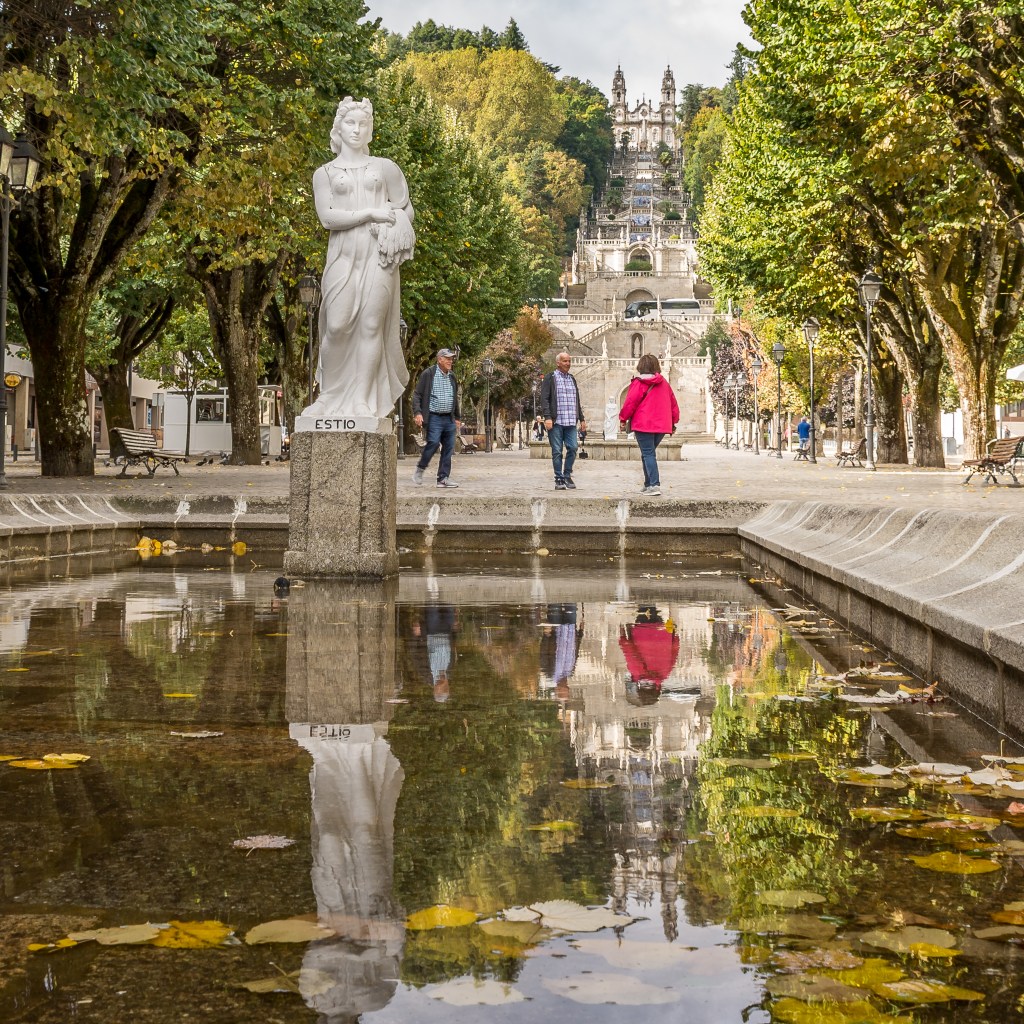
We spent a morning in the town of Lemego, starting at the Sanctuary of Our Lady of Remédios on a hill high above town. This is an important pilgrimage church with a staircase of 686 steps leading from the town below to the church. Landings on the stairway have statues and chapels and are adorned with beautiful blue tile mosaics. During the annual pilgrimage many penitents climb the steps on their knees. Needless to say, we didn’t walk the stairs.

With some free time in the town below we had our obligatory coffee with Pastel de Nata at a local coffee shop on the square. We also visited the Cathedral and the Lamego Museum. The museum is a must see, with an impressive collection of Portuguese and European paintings from the 16th to the late 18th centuries, plus pottery, sculptures, tapestries, and other artifacts dating back to Roman times.

What stood out on this trip was the amazingly beautiful scenery in the Douro Valley. It’s safe to say it is one of the most beautiful places we have visited so far in our world travels. Another thing that stands out is the friendliness of the Portuguese people. We have met some wonderful people and came away with new friends. This will not be our last trip to Portugal, must return!

This slide show illustrates the natural beauty of the Douro Valley, please enjoy.

Douro Valley Panorama

Picturesque Porto

After two days in Lisbon our Viking Cruise itinerary had us heading to Porto where we would join our river cruise ship, the Viking Torgil. On the coach ride to Porto we stopped in Coimbra for a tour of the historic University of Coimbra, followed by some free time in the town and then a traditional Portuguese lunch at República da Saudade restaurant accompanied by Fado music. The university is the oldest in Portugal and one of the oldest, continuously operating universities in the world.

A video recap of our visit to Coimbra

Portugal’s second largest city, Porto holds a place of great traditional importance. The town lends its name to the port wine produced in the region and throughout the nation. Located along the Douro River, the city boasts picturesque neighborhoods, fashionable restaurants and cozy coffee shops. Like Lisbon, Porto has a rich past; its historic center is a UNESCO World Heritage Site. A great walking city where you find narrow cobblestone streets brimming with romantic buildings spanning the centuries and a stunning Romanesque cathedral on a hilltop overlooking the river and city.

At the riverside, small barcos rabelos, boats once used to transport casks of wine, paint a charming scene. A major landmark on the river is the Ponte Luís I or Luís I Bridge. This iconic metal bridge, a true engineering marvel, built in 1886, connects Porto with Vila Nove de Gaia. The bridge has two levels, the lower level carries vehicle and pedestrian traffic while the high upper level is for street tram and pedestrian traffic. The upper level offers breathtaking panoramic views of the Douro, Porto and its surrounding areas.

Our ship, the Viking Torgil was docked across the river from Porto in Vila Nove de Gaia, where all the major Port makers have their warehouses. You see all the big names on these warehouses and tasting rooms such as; Sandeman, Taylor, Cockburn’s, Croft. The riverfront adjacent to our vessel is a very lively waterfront area with many restaurants, bars, shops and other attractions. A nearby cable car carries you up to the top of the hill where the upper level of the Luís I Bridge crosses over to Porto.

Some interesting facts about Porto:

  • Porto is one of Europe’s oldest cities, having been founded inBC as a Roman settlement.
  • With its six bridges that cross the Douro, Porto is known as the “City of Bridges”.
  • Two of Porto’s six bridges were designed by Gustave Eiffel before he began work on his famous namesake tower in Paris.
  • Porto is Portugal’s second largest city.
  • In 1996, the city’s historic center was recognized by UNESCO as a World Heritage Site.
  • The city is famous for its historic port wine trade, the center of which lies at Vila Nove de Gaia on the south bank of the Douro River.

Picturesque Porto Slide Show

Picturesque Porto

Olá Portugal

We just returned from our 12-day vacation in Portugal where we did a Viking River Cruise of the Douro River Valley. Our Viking itinerary had us spending the first two days in Lisbon, then on to Porto where we joined our ship, the Viking Torgil, for 8-days of cruising the Douro Valley. We returned to Lisbon to spend 2-days on our own exploring that city.

In this blog we will describe our overall impressions of Portugal, in the next few days we will publish additional blog posts to share some specifics:

  • Cities of Porto and Lisbon
  • Beautiful Douro Valley
  • The Viking River Cruise Experience


Rich History

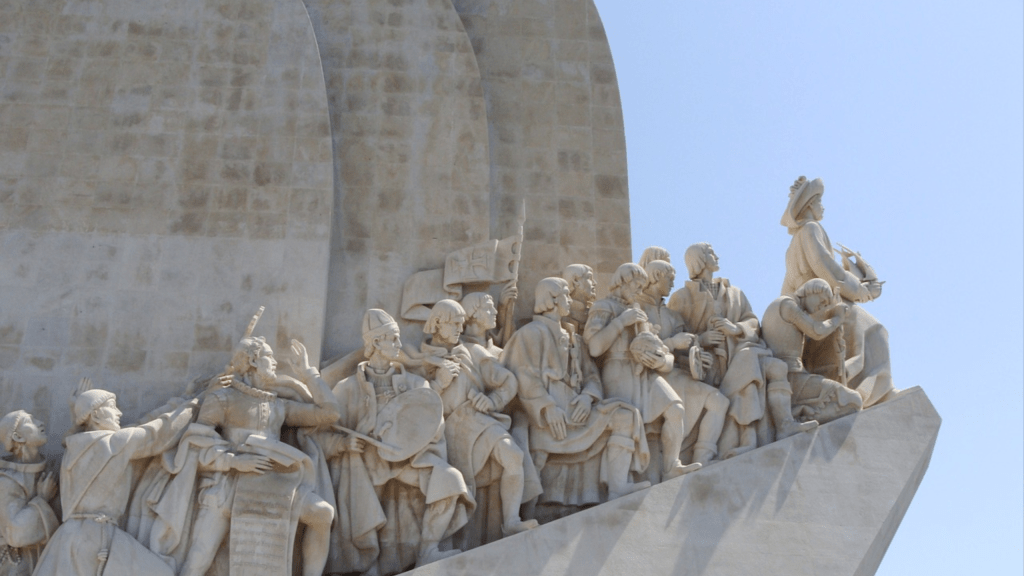
In our history classes long ago, we learned about the famous Portuguese explorers; Henry the Navigator, Vasco da Gama, Ferdinand Magellan, Pedro Álvares Cabral and others. The discoveries of these explorers opened sea trade routes to Brazil, Africa, India, Southeast Asia, China and Japan making Portugal a powerful empire in the 15th – 16th Centuries. Now, Portugal is a relatively small country in the European Union, but that rich history and culture is still alive in the beautiful buildings, palaces, cathedrals, universities and cuisines and the Portuguese people are proud of this heritage.


Arriving

We arrived from Newark into Lisbon’s Humberto Delgado Airport which is very close to the city center. The airport is like any international airport, although it wasn’t too much of a walk from the arrival gates, through passport control out to baggage claim. Viking staff were waiting at the arrivals hall where we joined a bus with other Viking passengers to take us to the Hotel Tivoli Avenida Liberdade, our home for the next two nights. This hotel is located on Avenida Liberdade, a beautiful, wide, tree line boulevard, called Lisbon’s “Champs-Élysées”.
 

Spending

Portugal, being part of the EU uses the Euro and now the US dollar exchange rate is very favorable, at US$1.10 while we were there. Also, Portugal is very affordable (for Americans) when compared to other European countries.

Language

The language of Portugal is, of course, Portuguese. We learned that Portuguese is the 9th most spoken language in the world. We found most people do speak English, so it wasn’t difficult communicating. It helps to learn some basic phrases and locals appreciate the effort. Many years ago, I traveled a lot to Brazil for business and some of the Brazilian Portuguese I picked up came back to me. With my pronunciations, some locals picked up on the Brazilian accent. I have used the App Duolingo, which is very helpful for learning language basics. Doulingo is a free App on Android and IOS and I recommend it. Some basic phrases:

  • Thank you….
    a man would say Obrigado, a woman would say Obrigada
  • You’re welcome…. De nada
  • Good morning…. Bom dia
  • Good afternoon…. Boa tarde
  • Good evening…. Boa noite
  • Please…. Por favor

Wonderful People

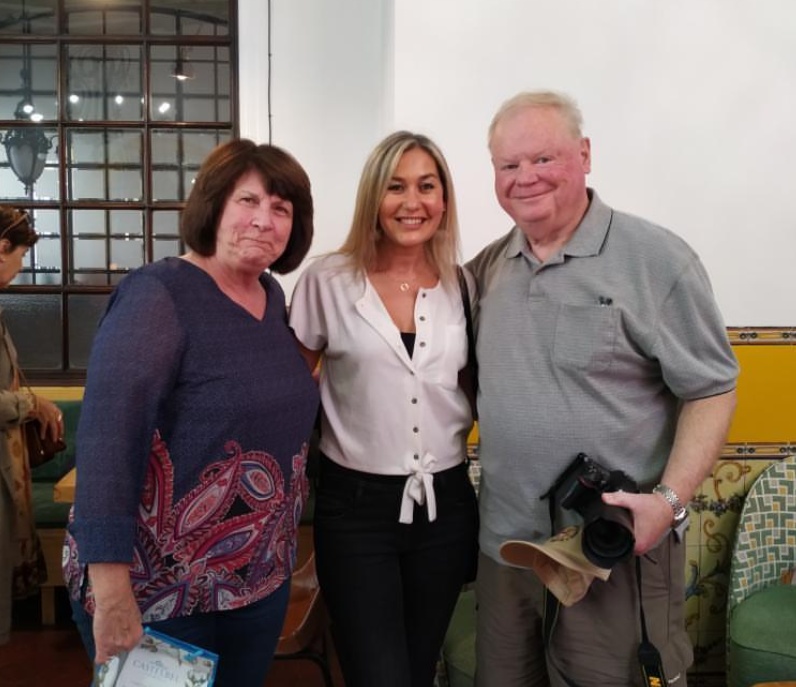
Everyone we met, hotel staff, tour guides, shop keepers, restaurant servers all were very friendly, welcoming and helpful. Social media allows us to connect with people all over the world and on Instagram, we have been connected with an Instagrammer named Libi from Porto. Libi posts images and stories about daily life in Porto and she visits some great coffee shops and posts interesting pictures around Porto. In the past year or so we have been following each other, commenting about each others posts. When planning our Portugal trip earlier this year, we mentioned to Libi our trip and asked about things to see and do. She was excited and enthusiastic about sharing her city and country. We made arrangements to meet for coffee at one of Libi’s favorite places. So when we arrived in Porto she met us, had some gifts for us and we enjoyed a coffee together. Libi is a wonderful young woman and we now have a good friend in Portugal.

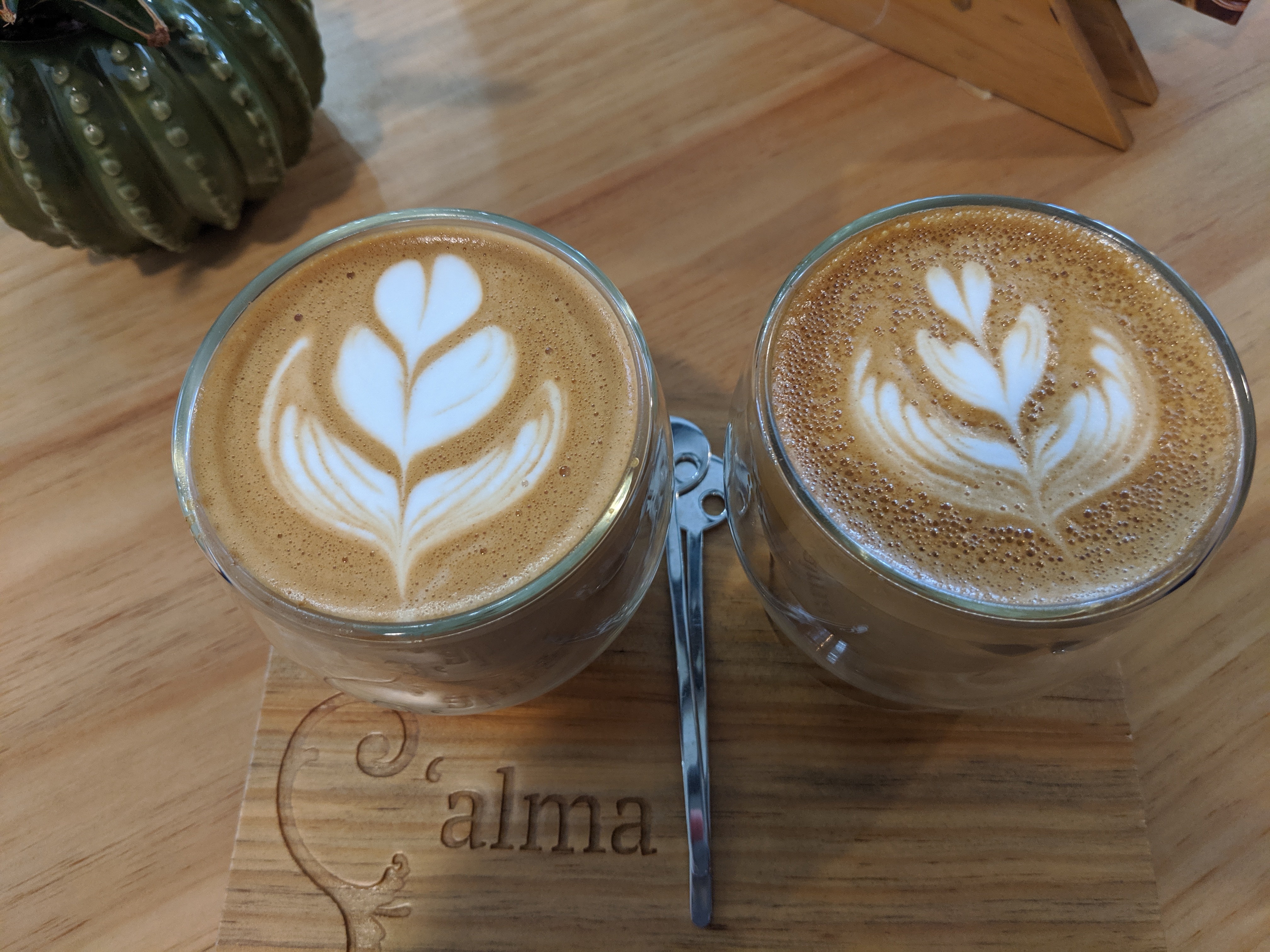
Our Instagram friend Libi from Porto took us for coffee at a classy coffee shop C’alma.

Great Food

Yeah, there is good food in Portugal, you won’t go hungry and you may need to loosen the belt a bit before you leave. Watch out for the favorite pastry, the Pastel de Nata. This custard based tart can become addictive, it’s a great treat to have with coffee at one of the excellent coffee shops you will find in Lisbon, Porto or anywhere in Portugal.

Salted Cod dishes abound, I didn’t realize there were so many ways to prepare salted cod, or Bacalhau. It can be boiled, fried, made into cod cakes, croquettes, it seems that some restaurants have pages of cod dishes.

Salted cod dish and Pastel de Nata.

Our first night we decided to stay at the hotel (Tivoli) and eat at the attached restaurant called Cervejaria Liberdade. I had the best pork dish ever, this was grilled pork tenderloin steaks from the famous acorn feed black pigs. Amazing experience.

Bucket List Fulfilled?

Portugal was on our bucket list and our experience there was just amazing. Such a beautiful country, great food and the people are so friendly. It seems that on this trip we didn’t get enough, so we now add Portugal to the “Got to Go Back” list! In the following blogs we will share photos of the amazing sights and experiences, so please come back.

Continue reading

On The Road Again…

Bom dia!

We will be off to the airport later this morning for our next adventure, Portugal.

We will be joining a Viking River Cruise tour of the Douro River… River of Gold, for what should be a fantastic time. Arriving tomorrow morning (Tuesday Oct 8th) in Lisbon, we will stay 2-nights before a motor coach tour up the coast to Porto to join our ship, the Viking Torgil. The below map shows the 10-day itinerary.

Watch for future blog posts about the journey or follow on Instagram for daily updates. Instagram… https://www.instagram.com/rdwetmore/

Adeus!

Viking Torgil Tour

Portugal’s River of Gold

Montana Vacation – Part 2

Big Sky – Majestic Mountains – Huckleberries – Friendly People

Drive from Missoula to Columbia Falls

The drive from Missoula to Columbia Falls would typically be about 2 hrs and 40 mins, with no stops. But along the way we stopped at two attractions. The first was the National Bison Range and then the Miracle of America Museum in Polson.

The drive took us along the east shore of Flathead Lake. Flathead Lake is the largest natural fresh water lake west of the Mississippi. The lake, surrounded by mountains, is glacier fed, so the waters have that turquoise color, just beautiful. Driving along there were many roadside stands selling fresh Flathead Lake cherries. We didn’t realize there were cherry orchards all around the area, apparently the micro-climate around the lake supports the growth of cherries. We stumbled into cherry season, so we bought a bag and they were big and delicious. It was also Huckleberry season and everywhere we went there were farm stands, shops and local establishments selling everything huckleberry. Huckleberry jams, huckleberry pastries, huckleberry flavored beers, even huckleberry martinis. We bought some jams along the way and that was our breakfast treat with toast or English muffins. Huckleberries are similar to blueberries, but maybe a bit more tart.

Bison National Range

Our first stop was at the National Bison Range in Charlo, MT. This is a National Wildlife Reserve that provides sanctuary for the American Bison. We arrived early, around 8am, so the visitors center was not open (opens at 9am). There is a $5 entrance fee (per vehicle), but our America The Beautiful Senior Pass is honored at this site. A quick note about the America The Beautiful pass, we purchase our Senior Pass a few years ago, $80 life pass, and it is honored at most National Park and other Federal recreational areas.

There are several driving trails through the reserve and we chose to take long loop road which is 19 miles long. This is a one-way, single lane gravel road that winds up the mountain with steep grades, lots of switchback curves and no guard rails. The first half of this road climbs up a mountain area reaching a summit at about 4800ft where there is a rest stop with portable toilets. The road continues down the other side with some very steep curves until it reaches an open range area, eventually returning to the starting point near the visitors center.

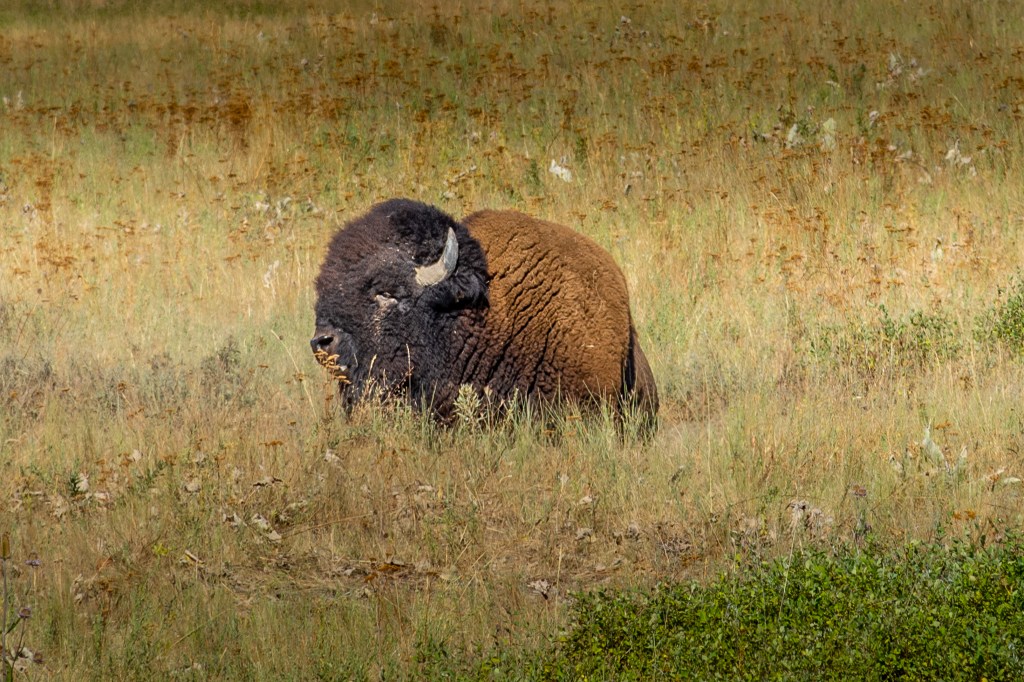
When we first started up the road, we saw another vehicle ahead of us stopped, then moving very slowly. We were a bit concerned about being stuck behind someone who seemed not in a hurry, with no way to pass. When we got closer, we saw the problem, a big, old, bull Bison was in the middle of the road walking at a very slow pace. We were stuck behind this beast for at least 20-minutes until an opening at a curve allowed enough room to rush past this big guy.

Stuck Behind a Bison

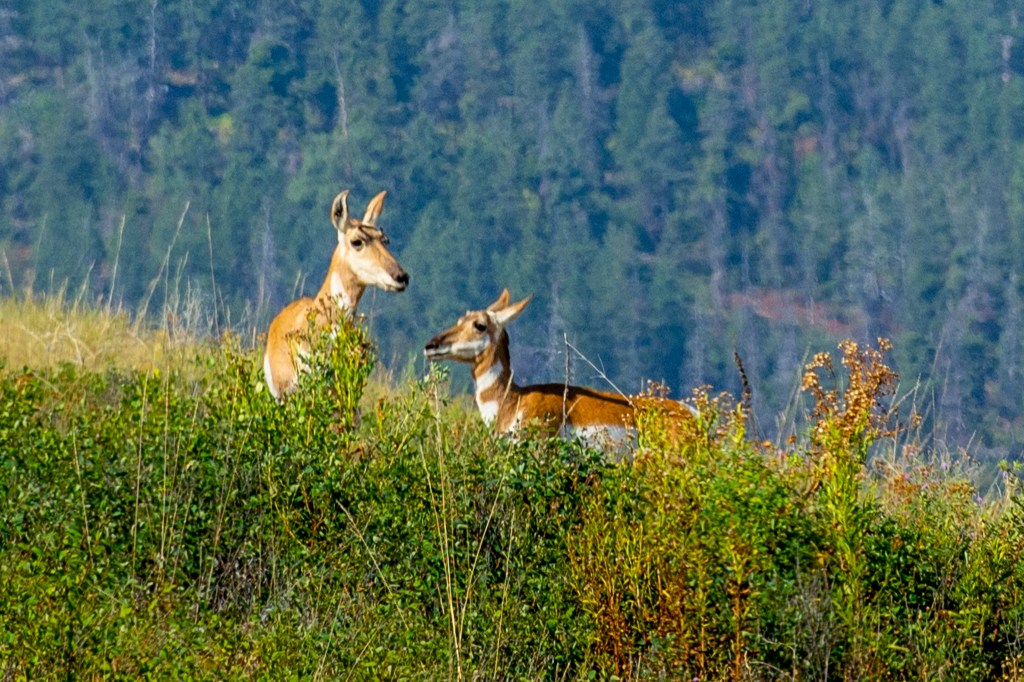
Along the road going toward the summit we saw a few solitary bull Bison’s as well as several Mule Deer. Once we came down the other side of the mountain onto the flat range area, we ran into quite a few Pronghorn Antelope as well as several herds of Bison.

Pronghorn Antelope Crossing

Miracle of America Museum

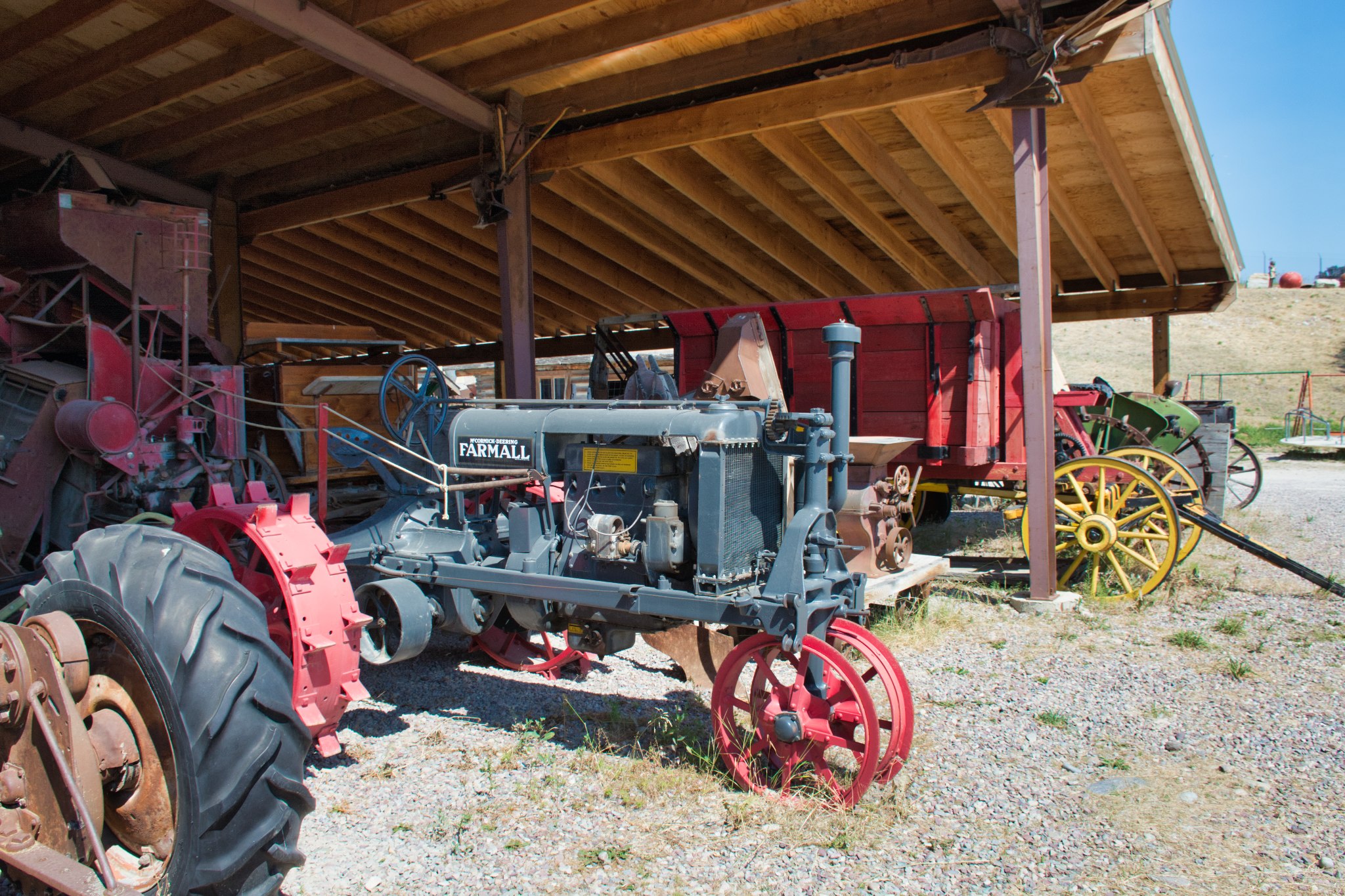
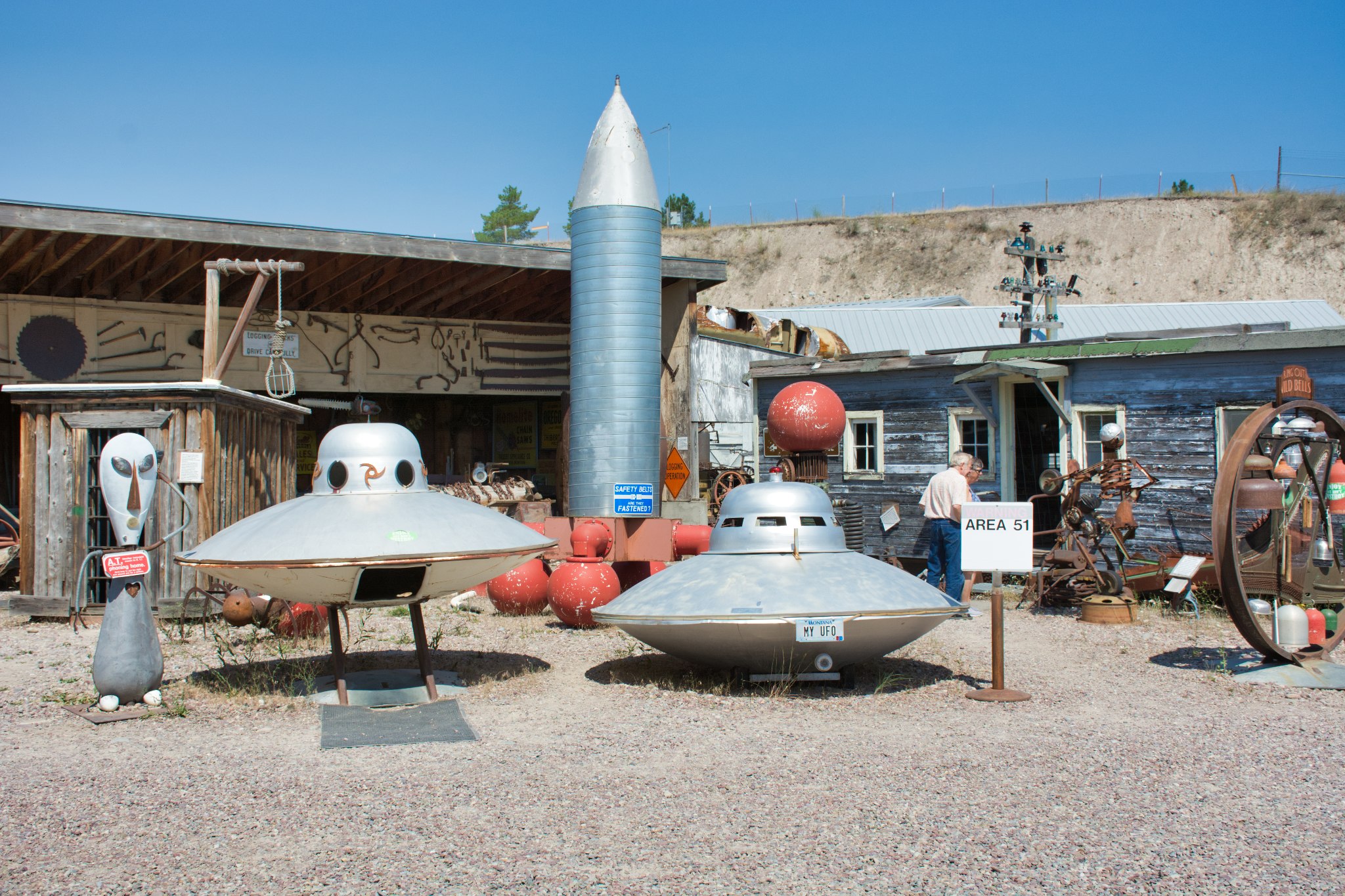
In the town of Polson, on the southern end of Flathead Lake we stopped at the “Miracle of America Museum“. This eclectic museum seems to have just about everything you can imagine. There is a large indoor space housing early native American artifacts, antique fashions and clothing, old toys, a collection of vintage Harley’s and Indian bikes and loads of military memorabilia from the Civil War up to the War on Terror.

The outside space is huge, I don’t know how many acres. You can find old cars and trucks, fire engines, tracked and wheeled military vehicles, signage from famous old America companies and brands, jet craft fuselages, a Huey helicopter, old farm equipment, even a tugboat, it goes on and on!

This place is crazy fun, but also interesting and informative, it represents the products of American ingenuity and industry of the last couple of hundred years. If you are familiar with the TV series American Pickers, this place would be a picker’s heaven.

Columbia Falls

We rented an AirBnB for the week that was located in the historical downtown section of Columbia Falls. This location was convenient to the Glacier National Park sites. The AirBnB had excellent accommodations for the three of us, with 2-bedrooms, 2-bathrooms, and a large open concept kitchen, dining and living space. The location was in the same block as several bars and restaurants and a cool bakery-coffee shop. The Gunsight Saloon, a block and a half across the street is a fun, local bar and restaurant.

Our AirBnB was clean, comfortable and well stocked. The hosts, Kim and David provided a complimentary bottle of Montana red wine as a welcome gift. If you’re interested you can check out this AirBnB by linking here to their listing.